

Cleaning Belongings After Mold · Sioux Center, IA
Cleaning Belongings After Mold in Sioux Center, IA
Mold got into your furniture, clothes, boxes or keepsakes. Siouxland Mold Solutions helps Sioux Center families sort what can be cleaned from what has to go, and we remove the mold and water source in the house so the clean things stay clean. Same-day response, calls answered 24/7.
Hard, smooth things usually clean up. Soft, porous things with actual growth usually don’t. Here’s how to tell which is which, and what to do with the sentimental stuff.
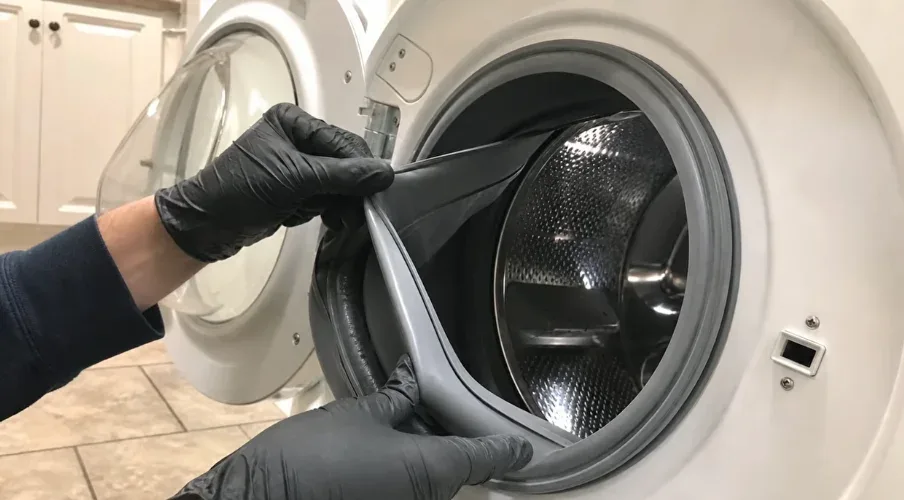
Cleaning Belongings After Mold
Can Belongings Be Saved After Mold Growth?
Often, yes, if the item is hard or can be washed and the mold hasn’t soaked deep into it. Non-porous items like glass, metal, hard plastic and sealed wood clean with detergent and water. Washable fabrics usually come through a hot wash. Porous or absorbent items with real growth, such as mattresses, upholstered furniture, carpet, pillows and stuffed toys, often can’t be cleaned reliably.
That follows the EPA’s guidance: scrub hard surfaces with detergent and water and dry them completely, and expect to throw away porous materials that stay moldy. The 2024 ANSI/IICRC S520 standard draws the same line, treating porous contents with actual growth as generally not cleanable. Iowa HHS puts the fallback plainly for flooded belongings: “If in doubt, throw it out.”
Mold on belongings almost always means moisture in the house, so cleaning the stuff without fixing the source just starts the clock again. In Sioux Center that source is usually a basement that took water in spring, a summer of corn-sweat humidity or a closet on a cold outside wall. We handle the structure and the contents question together.
Quick answer: Can I save moldy clothes?
Usually, yes. Wash them on the hottest setting the fabric allows with detergent, then dry them fully. Dry-clean-only items are a judgment call; if the mold has set into the fibers or the smell stays after cleaning, let them go. Iowa HHS recommends discarding dry-clean-only and damaged clothing after floods.
What to Look For
How Do You Know If Your Belongings Have Mold?
Mold on stored things shows up as spots, fuzz or a smell long before it looks bad. These are the signs, and the places we find them most.
A Musty Smell That Clings
You wash it, air it out, and it still smells. That’s usually growth in the fibers or padding, not just surface dust.
Spots, Fuzz or Powder
White, green, gray or black patches on leather, fabric, wood or paper. Active mold looks fuzzy or slimy; dormant mold looks dry and powdery (National Archives).
Cardboard Boxes Against Walls
Boxes stacked on a basement floor or against block walls wick moisture and mold first, and then pass it to what’s inside.
Closets on Outside Walls
Clothes and shoes in cold-wall closets that never get airflow. The back of the closet is often the worst.
Leather, Shoes and Bags
Leather grows a white or green bloom in damp, humid air. Surface cases clean up; deep staining and cracking don’t.
Books, Photos and Papers
Stuck pages, curled corners and dark specks. Paper holds mold and moisture longer than most people expect.
Quick answer: Should I wipe off mold I see on my stuff?
Not dry. Brushing or wiping active mold smears it and sends spores into the air. Wear an N95, gloves and goggles, take items outside, and use a HEPA vacuum or damp wipe. For paper and photos, the National Archives says don’t try to remove active mold at all; stabilize and ask a conservator.
Local Causes
Why Does Mold Get Into Belongings in Northwest Iowa Homes?
Mold needs moisture, food and time. Stored belongings supply the food. Our climate supplies the moisture in several ways.
Spring Seepage and Sump Failures
Sioux Center gets about 34.8 inches of snow a year and its wettest months, May and June, run 4.2 and 4.5 inches (NOAA normals). A basement that takes an inch of water leaves everything on the floor wet.
Corn-Sweat Humidity
July and August dew points in the 70s mean cool basements sweat, and cardboard, fabric and paper absorb it with no leak at all.
June 2024 Flood Contents
Records fell on the Rock, Floyd and Big Sioux rivers. Items that sat in river water or backed-up sewer are contaminated, not just moldy. Treat them as Category 3.
Storm Leaks
Wind and hail from the July 28, 2025 derecho (99 mph at Sioux Center) and the September 1, 2026 storms opened roofs. Attic storage and boxed holiday decorations soak up slow leaks.
Older Basements and Crawl Spaces
About 13% of Sioux Center homes predate 1950, and the median home dates to 1979. Block walls and dirt crawl spaces hold humidity against stored items.
Tight Newer Homes
A third of homes here were built since 2000. Well-sealed basements can hold humidity high enough to grow mold on stored boxes and leather.
DIY or Professional?
Which Belongings Can You Clean Yourself, and Which Should Go?
This is the practical sort we walk through with families. It follows EPA, IICRC and extension guidance.
| What you’re seeing | Our advice | Why |
|---|---|---|
| Glass, metal, hard plastic, ceramic | Clean: detergent and water, dry fully | Non-porous; mold sits on the surface |
| Sealed or finished wood furniture | Usually clean: damp wipe, HEPA vacuum, dry | Finish protects the wood |
| Washable clothes, towels, bedding | Clean: hot wash, enzyme detergent, dry on hot | Fabric survives laundering (NC State Extension) |
| Upholstered furniture, mattresses, carpet | Discard if moldy or flooded; clean only if valuable and lightly affected | Porous; growth reaches the padding |
| Paper, books, photos | Freeze if not dry within 48 hours; see a conservator for valuables | Freezing makes mold dormant (National Archives) |
| Cardboard and particleboard | Discard | Can’t be cleaned reliably |
| Electronics | Don’t power up; ask a repair or restoration pro | Moisture and corrosion can damage them |
Wear an N95 mask, gloves and goggles, work outdoors or in a ventilated space, and bag discards. If someone in the home has asthma or a weakened immune system, hand this job off. Sources: EPA, A Brief Guide to Mold, Moisture and Your Home; National Archives.
Our Process
How Do We Handle Moldy Belongings, Step by Step?
Contents work happens alongside the structure. Here’s how it goes when we’re asked to help with both.
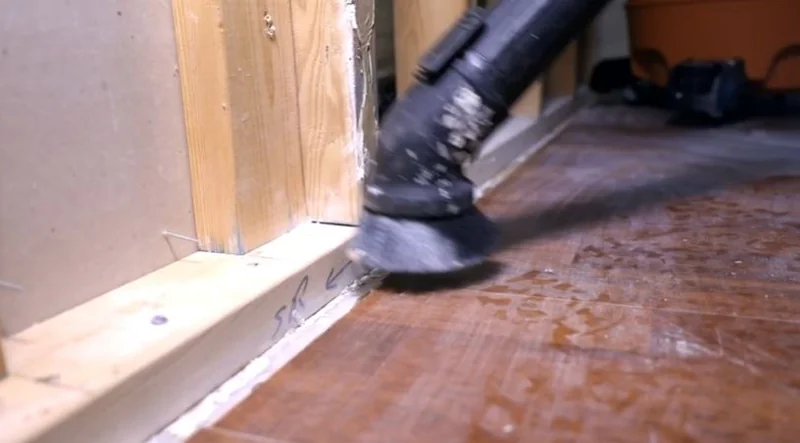
Stop the Moisture First
We find and fix what’s wet before touching belongings. Cleaned items put back into a damp room mold again.
Why it matters: Otherwise you clean the same things twice.
Move Items Out, Sort by Material
Hard, soft and paper items are separated and moved to a clean, dry space or outdoors. Photos are taken for insurance first.
Why it matters: Different materials need different treatment, and insurers want an inventory.
Remove Loose Mold Safely
HEPA vacuum, then damp wipe. No dry brushing, no fans pointed at the items.
Why it matters: Dry wiping launches spores into the air.
Clean and Dry
Detergent and water for hard goods, hot laundering for fabrics, and full drying with dehumidification before anything goes back.
Why it matters: Damp storage regrows mold in days.
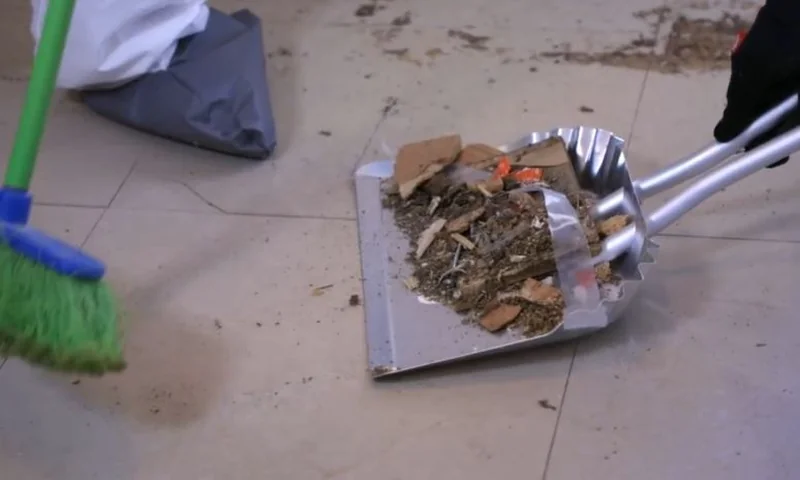
Discard What Can’t Be Saved
Moldy porous items are double-bagged and removed. We tell you plainly which are worth a specialist and which aren’t.
Why it matters: Keeping a moldy mattress or sofa only keeps the problem.
Store Smarter
Plastic bins with lids, shelves off the floor, nothing against block walls, and a hygrometer in the room.
Why it matters: Prevention is mostly storage and humidity.
If water caused the damage, drying the house comes first: water damage restoration in Sioux Center.
Special Cases
What About Mattresses, Leather, Books and Photos?
These are the items people ask about most, with the straight answer on each.
| Item | Realistic outcome | What to do |
|---|---|---|
| Mattresses | Very hard to dry before mold starts; discard if the odor remains after drying (NC State Extension) | Replace if soaked or moldy; mattress covers help going forward |
| Leather and shoes | Light surface bloom cleans; deep growth rarely does | Wipe with a damp cloth outdoors, dry in moving air |
| Books and papers | Freeze if not dry within 2 days to stop growth (National Archives, FEMA) | Interleave with paper towel, wrap, freeze; ask a conservator about valuables |
| Old photographs | Never freeze negatives or old photographs (National Archives) | Air dry flat, call a conservator |
| Stuffed toys and pillows | Hot wash works for synthetic fill; discard if flooded | Wash warm to hot, dry fully |
| Upholstered furniture | Often not salvageable after flooding or deep mold | Price a cleaning vs replacement honestly |
Usually Worth Saving
- Hard goods and sealed wood
- Washable clothing and linens
- Irreplaceable photos and papers (with expert help)
- Anything a specialist says is stable
Usually Not
- Moldy mattresses and upholstered furniture
- Anything touched by sewage or floodwater
- Cardboard, particleboard and soft toys with growth
- Items that still smell after cleaning and drying
Cost
What Does It Cost to Clean or Replace Belongings After Mold?
Contents cleaning is quoted case by case, but the structure work around it follows national ranges. Written scope and price before we start.
Whole-Job Mold Remediation
$1,200–$3,750A common national range for professional remediation (2026). $10–$25 per square foot is a rule of thumb.
Attic or Basement Spots
$500–$4,000Accessible mold in one area, before it reaches framing and contents.
Specialty Contents Help
Quoted case by casePaper conservation, electronics and antiques are handled by specialists we refer you to.
What Changes the Price
- Volume of contents and how they’re stored
- Whether water was clean, gray or sewage
- How long things stayed wet
- Whether the room is finished
Documentation for Your Insurer
- A photo inventory before anything is moved
- Moisture readings and a written scope
- Receipts for discarded and replaced items
- Your policy’s contents deductible and limits
Quick answer: Will insurance replace moldy belongings?
If the damage came from a covered sudden event, contents are often covered up to your limits, and you can claim items you discarded if you documented them. Mold from long-term humidity usually isn’t covered. Take photos before you throw things out.
Prevention
How Do You Keep Stored Belongings From Molding?
Six habits do most of the work in a northwest Iowa house.
Keep Humidity Under 60%
Ideally 30–50% (EPA). A $10–$50 hygrometer tells you the truth.
Use Plastic Bins, Not Cardboard
Lidded plastic tubs on shelves, not boxes on the floor.
Pull Things Off Exterior Walls
Leave a few inches of air between stored items and block or outside walls.
Air Out Closets in Summer
Open doors, run a dehumidifier and avoid packing clothes tight.
Dry Wet Items Within 48 Hours
Mold usually can’t grow if wet items are dried within 24 to 48 hours (EPA).
Check After Storms
Look at the basement, the attic and the closets after any heavy rain or hail.
Mold in the house and in your belongings? Call now. We fix the source and help you sort the rest.
FAQ
Cleaning Belongings After Mold: Frequently Asked Questions
Straight answers to what Sioux Center families ask most.
Does bleach clean moldy belongings?
The EPA doesn’t recommend bleach as a routine part of mold cleanup, and it doesn’t reach growth inside porous items. Detergent and water, thorough drying and HEPA vacuuming work better. Never mix bleach with ammonia.
Can I clean moldy furniture myself?
Hard and sealed wood furniture, yes, with a damp wipe after HEPA vacuuming. Upholstered pieces with growth rarely clean up reliably, and a sagging cushion or sofa frame that stays damp will grow it back.
How do I get the musty smell out of clothes?
Wash on the hottest safe setting with detergent, dry completely and repeat once if needed. If the smell survives two cycles, the mold is in the fibers and the item is probably done.
What about electronics near mold?
Don’t power them on. Moisture and corrosion can damage them, and an electronics repair or restoration specialist can open and clean them.
Are moldy books and photos lost?
Not necessarily. If they can’t be air-dried within two days, freeze them to stop growth (National Archives, FEMA), and call a paper conservator for anything valuable.
How long should I leave items to dry?
Until they feel dry throughout and no longer smell musty, which with air movement and a dehumidifier is usually a few days.
Do you handle mold cleanup outside Sioux Center?
Yes. Same-day response in Sioux Center (51250), Orange City (51041), Hull (51239), Rock Valley (51247), Sheldon (51201), Le Mars (51031) and the towns around them. Call anytime, 24/7, and we’ll tell you honestly when we can be there.
Do I need a mold test first?
Usually not to decide on cleanup. The CDC doesn’t recommend routine mold testing, and neither does Iowa HHS. A moisture inspection finds the cause, which is what matters. Independent clearance testing after the work is welcome if you want lab confirmation.
Will insurance cover it?
Often only when the damage came from a sudden, covered event like a burst pipe or a storm that opened the roof. Long-term seepage, humidity and flooding are usually excluded, and sump or sewer backup needs a water-backup endorsement. We give you dated photos, moisture readings and a written scope for your adjuster either way.
Get Help Today
Mold in Your Belongings? Call Us Today
Tell us what you’ve found and where it was stored. We’ll tell you what’s worth cleaning, what to let go, and how to stop it from happening again. Same-day response in Sioux Center and nearby towns.
Siouxland Mold Solutions
- Office529 4th St NW, Sioux Center, IA 51250
- Phone(712) 569-1887
- EmailContact@moldremovalsiouxcenter.com
- HoursCall anytime, 24/7, including emergencies
- ResponseSame-day across Sioux Center and our service area