

Sioux Center, Iowa · Mold & Water Damage Specialists
Mold Removal & Remediation in Sioux Center, Iowa
Siouxland Mold Solutions is a mold removal, mold remediation and water damage restoration company based at 529 4th St NW in Sioux Center. We answer the phone 24 hours a day, 7 days a week, and offer same-day response across Sioux Center and 35 surrounding towns in Sioux, Lyon, Plymouth, O’Brien and Osceola counties. We find where the water is getting in, remove the mold safely, dry the structure and fix what caused it.
Found a musty smell in the basement, a dark stain on the drywall, or water on the floor after a storm? Call (712) 569-1887 and tell us what you’re seeing. You’ll get a straight answer on whether it needs a visit, what’s likely causing it and what it usually costs.

What we do
Complete mold removal, mold remediation and water damage restoration, plus flooded basement and sewer backup cleanup, mold inspection and moisture control
When
Call anytime, 24/7, with same-day response
Where
Sioux Center (ZIP 51250) and 35 surrounding towns in northwest Iowa
How
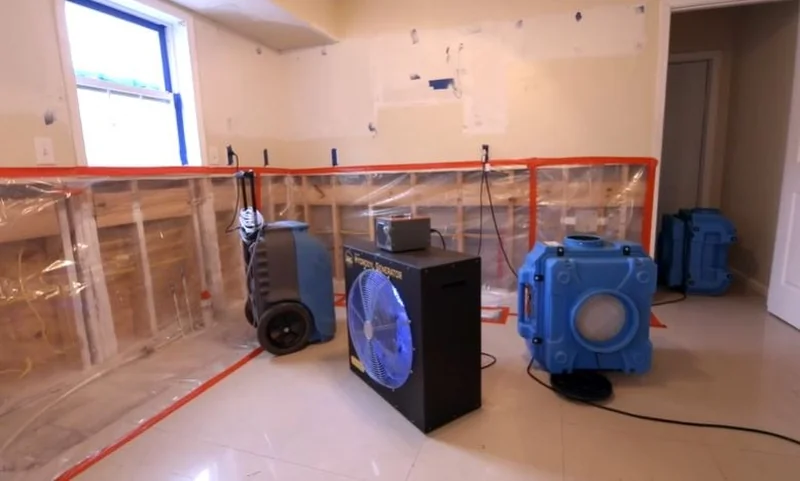
Sealed-off work areas, HEPA air filtration and removal of damaged materials, following the IICRC S520 standard for mold remediation
Price
A written scope and estimate before any work starts
Seasonal alert
Fall 2026: Find Hidden Moisture Before the Ground Freezes
This year gave a lot of Sioux County homes water they may not know about. Storms on June 29–30, 2026 brought gusts near 60 mph and hail to Sioux Center, and the September 1, 2026 storms dropped baseball-size hail near Orange City and brought 70–80+ mph gusts to Hull (NWS Sioux Falls). Add a humid July and August, and plenty of basements, attics and wall cavities are holding moisture right now.
Here’s why fall matters. Once the furnace runs and windows stay shut, a damp basement or a slow roof leak has months to grow mold behind drywall and under carpet. By the first cold snap, warm indoor air starts freezing on attic nails and sheathing. Mold can start growing within 24 to 48 hours on wet materials (EPA), so a leak found in October is a much smaller job than the same leak found in March.
Quick answer: Why does mold show up in fall and winter?
Homes close up in fall, so moisture from summer humidity, storm leaks and showers stays inside. Cold roof sheathing and window glass then pull that moisture out of the air as frost and condensation, which is exactly where winter mold starts.
Emergency? We answer 24/7
Water in Your Basement Right Now? Do This First
Mold can start growing on wet drywall, carpet and wood within 24 to 48 hours, so the first day matters most (EPA). We answer 24/7. While you wait for us:
- Stay safe. Don’t walk through water near outlets, the furnace or the electrical panel. Shut off power at the breaker only if you can reach it from a dry spot.
- Stop the water. For a burst pipe, close the main shut-off valve. For a flooded basement, check that the sump pump has power and isn’t jammed.
- Treat floodwater and sewer backup as contaminated. Wear rubber gloves, boots, goggles and an N95 mask, and keep kids and pets out. Iowa’s flood cleanup rule is simple: if in doubt, throw it out.
- Take photos and video before you move anything. Your insurance adjuster will ask for them.
- Don’t pump a deeply flooded basement all at once. Iowa State University Extension warns against removing more than about 2 feet of water at a time after a flood, because saturated soil can push basement walls in.
- Call (712) 569-1887, day or night. We’ll talk you through the next steps and get a crew headed your way the same day.
Call now, day or night
A real person answers 24/7. Tell us your town and what you’re seeing, and we’ll give you an arrival window on the call.
Our services
Mold Removal, Remediation and Water Damage Services in Sioux Center
Mold is almost always a water problem first. That’s why every job we do starts with finding the moisture source, not just the stain you can see.
Mold Removal and Mold Remediation
People use the two terms interchangeably. In practice, mold removal means physically taking out moldy material, and mold remediation is the full job: containing the area so spores don’t spread, removing and cleaning, drying, and making sure the moisture problem is fixed so it doesn’t come back. Our mold removal service covers basements, attics, crawl spaces, bathrooms, kitchens and HVAC systems.
Water Damage Restoration, Start to Finish
Sump pump failures, spring seepage, burst pipes in January and storm flooding are the most common ways Sioux Center homes get wet. Our water damage restoration covers the whole job: emergency water extraction, removing wet drywall, carpet pad and insulation that can’t be saved, structural drying with dehumidifiers and air movers, cleaning and sanitizing after sewage or floodwater, and putting walls and floors back once everything is dry. We follow the IICRC S500 water damage standard and record moisture readings you can hand to your insurance adjuster.
Mold Inspection and Testing
Not every musty smell needs a remediation crew. An inspection uses moisture meters and thermal imaging to find wet areas behind walls and under floors without tearing anything out. If you want lab testing or clearance testing after the work, we’ll tell you when it’s worth paying for and can point you to an independent tester, so the company doing the work isn’t grading its own job.
Moisture Fixes That Keep Mold From Coming Back
Remediation fails when the water source stays. Depending on the cause, that means a properly sized basement dehumidifier, a crawl space vapor barrier, rerouting a bathroom fan that vents into the attic, or a sump battery backup.
Quick answer: How fast can someone get to my house?
We answer 24/7 and offer same-day response in Sioux Center and across our service area. Call (712) 569-1887, tell us your town and what you’re seeing, and we’ll give you an arrival window on that call.
Local vs. out of town
Why Sioux Center Homeowners Call a Local Mold Company
Most companies that show up when you search “mold removal near me” here are based in Sioux City, 40-plus miles away, or are national websites that pass your details to whichever contractor buys the lead. Here’s how that compares with calling a team based in town.
| What matters to you | Siouxland Mold Solutions | Sioux City restoration companies | National “find a pro” websites |
|---|---|---|---|
| Based in Sioux Center | ✅ 529 4th St NW | ❌ 40+ miles away | ❌ No local office |
| Answers 24/7 with same-day response | ✅ Yes | ⚠️ Varies by company | ⚠️ Depends on who gets your lead |
| Knows local causes: 2024 flood, block basements, corn-sweat summers, attic frost | ✅ Built around them | ⚠️ Regional, not town-specific | ❌ Template pages |
| Written scope and price before work | ✅ Always | ⚠️ Usually | ⚠️ Depends on the contractor |
| Fixes the moisture source, not just the mold | ✅ Every job | ⚠️ Varies | ⚠️ Varies |
| Tells you when you can handle it yourself | ✅ Yes | ⚠️ Varies | ❌ No |
What Makes Us Different
1. We’re Here
Our office is in Sioux Center, so same-day response isn’t a stretch. It’s a short drive to Orange City, Hull, Maurice or Rock Valley.
2. Mold and Water First
Mold removal, mold remediation and water damage restoration are our focus. You won’t get a sales pitch for services you didn’t call about.
3. Moisture Source Before Mold
Every job starts with finding where the water comes from. Spraying mold without fixing the leak just means paying twice.
4. Everything in Writing
Scope, price, dated photos and moisture readings, so you, your insurer or a home buyer can see exactly what was found and fixed.
5. Honest About Small Jobs
A patch under 10 square feet on a hard surface is often a DIY job, and we’ll tell you so.
Local causes
Why Do Sioux Center Homes Get Mold? A Season-by-Season Calendar
Sioux Center homes get mold from four local conditions: wet springs, river flooding, humid corn-country summers and hard winters. Here’s what happens when, and where it shows up in your house.
March–April: Snowmelt and Sump Season
Sioux Center averages about 34.8 inches of snow a year (NOAA 1991–2020 normals). When it melts, the ground stays saturated, sump pumps run nonstop and older block basement walls start to seep. One local rule worth knowing: the City of Sioux Center doesn’t allow sump pumps to be connected to the sanitary sewer, because it overloads the system during heavy rain. Your sump should discharge to the yard or storm system.
Watch for: wet carpet edges, damp spots at the bottom of drywall, a sump that cycles constantly.
Do now: test the sump before the melt and add a battery backup.
May–June: The Wettest Months and Storm Season
June (about 4.5 inches) and May (about 4.2 inches) are Sioux Center’s wettest months, out of about 29.9 inches of precipitation a year (NOAA). Severe storms, power outages and floor-drain backups peak here.
Watch for: water on the basement floor, sewer smell, ceiling stains after hail.
Do now: get water out and materials drying within 24 to 48 hours.
July–August: “Corn Sweat” Humidity
Iowa’s cornfields release huge amounts of water vapor in midsummer, pushing dew points into the 70s. That humid air finds cool basements, crawl spaces and closets and condenses on concrete and cold surfaces, which is why basements that never flood still smell musty in August.
Watch for: musty smell, white fuzz on basement wood, AC that smells musty.
Do now: run a dehumidifier and keep basement humidity under 60%. Corn sweat and musty basements →
September–November: Harvest, Fall Storms and Closing Up
Humidity drops after harvest, and fall cleaning is when summer’s hidden damage gets found. Hail and wind damage from the year’s storms starts showing up as slow leaks.
Watch for: stains behind stored boxes, musty closets, soft spots near windows.
Do now: check the roof after hail and fix leaks before the heating season.
December–February: Subzero Cold, Attic Frost and Ice Dams
Sioux Center’s record low is −37°F, and average January lows sit around 9°F. Warm, moist air leaking into a cold attic freezes on nails and roof sheathing, then soaks the wood when it thaws. Bathroom fans that vent into the attic are one of the most common causes. Ice dams add ceiling leaks, and burst pipes add flooded basements.
Watch for: frost on attic nails, dark sheathing, window condensation.
Do now: make sure fans vent outdoors and keep indoor humidity in check. Attic mold removal →
When to Book a Preventive Check
The best times are early spring, before the snowmelt, and early fall, before the house closes up for winter. Both catch problems while they’re small.
Flooding: What June 2024 Left Behind
Three days of extreme rain from June 20 to 22, 2024 sent the Rock, Floyd and Big Sioux rivers to record levels (NWS Sioux Falls). The Rock River crested at 27.7 feet in Rock Valley, 5 feet above its old record, and about 500 homes there were damaged (USGS). Six homes at Hymans’ Pit south of Sioux Center took water to the top of their walkout basements, and Alton flooded along the Floyd.
Many of those basements were cleaned up quickly and rebuilt. If wall cavities weren’t fully dried before new drywall went up, mold can still be growing behind it. A musty smell in a basement that flooded in 2024 is worth checking with a moisture meter. Mold after the June 2024 flood →
How Your Home’s Age Changes the Risk
About 13% of Sioux Center homes were built before 1950, the median home was built in 1979, and about a third have gone up since 2000. The city kept growing in 2025, with 40 new single-family permits and 64 multifamily units.
- Older homes near downtown: block or stone foundations, older drain tile and settled grading, which lead to basement seepage and damp walls.
- 1970s–1990s ranches: finished basements with paneling or drywall over concrete and carpet laid on the slab. Water gets trapped behind and under them.
- Newer additions like Windsong, Meadow Creek, Highland Hills, South Ridge Estates, Country View North and Harvest Heights: tight, energy-efficient homes that hold in moisture from showers, cooking and people. Condensation on windows and mold in bathrooms are common in the first winters.
- Rentals near Dordt University and apartments like those on 11th Ave. NE: crowded bathrooms, laundry dried indoors and fans that don’t get used.
- Acreages and farmhouses outside town: older crawl spaces with bare soil and wells that should be tested after flooding (ISU Extension).
Signs of mold
What We Fix: From the Sign You Notice to the Fix
The most reliable early sign of mold is a musty, earthy smell that’s stronger in one spot or after it rains. Here’s what common signs usually mean and how soon to act.
| What you notice | What it usually means | How soon to act | How we fix it |
|---|---|---|---|
| Water on the basement floor or coming up the floor drain | Sump failure, seepage or sewer backup | Today Mold can start in 24–48 hours | Water extraction, removal of wet materials, drying, Category 3 cleanup for sewage |
| Musty smell in the basement | Hidden moisture behind walls, under carpet or from humidity | This week | Moisture mapping, removal of affected material, dehumidifier |
| Dark spots on drywall that come back after cleaning | Mold growing in the drywall, not just on it | This week | Remove and replace affected drywall, fix the moisture source |
| Ceiling stain after a storm or thaw | Roof leak, ice dam or plumbing leak | This week | Find the leak, dry or remove wet ceiling and insulation |
| Frost or dark staining on attic nails and sheathing | Warm, moist air leaking into the attic | Before the next thaw | Clean or blast sheathing, vent fans outdoors, fix ventilation |
| Rippled or stained basement carpet | Moisture coming through the slab or a past leak | This week | Remove carpet and pad, test slab moisture, dry and clean |
| Musty smell when the AC starts | Clogged condensate drain, wet drain pan or dirty coil | This week | Clean coil, drain and pan; assess ducts |
| Condensation on windows in winter | Indoor humidity too high for the cold | Plan it | Humidity control and ventilation |
| White crystals on concrete walls | Usually efflorescence (mineral salt), not mold | Plan it | Fix drainage and grading; we’ll tell you if it’s not mold |
Not sure what you’re looking at? Call (712) 569-1887 and describe it. We’ll tell you straight whether it needs a visit.
What You Might Feel
According to the CDC, damp and moldy spaces can cause a stuffy nose, sore throat, coughing or wheezing, burning eyes or skin rash in some people. People with asthma or mold allergies can react more strongly, and people with weakened immune systems or chronic lung disease are at higher risk of infection. If symptoms ease when you’re away from home, mention it to your doctor. We can find and remove mold, but we can’t diagnose health problems. Mold exposure symptoms →
Know what you’re dealing with
Common Indoor Molds in Sioux Center Homes
You don’t need to know which mold you have to deal with it. The CDC doesn’t recommend routine testing to identify species, because every kind of indoor mold should be removed and the moisture fixed either way. Color doesn’t tell you how harmful a mold is. Still, these are the molds most often found in homes here:
| Mold | What it looks like | Where it shows up | What it tells you |
|---|---|---|---|
| Cladosporium | Olive-green to black spots | Window frames, bathroom surfaces, HVAC vents, fabrics | Condensation and humidity problems |
| Penicillium | Blue-green, fuzzy | Water-damaged drywall, carpet, insulation | Recent water damage or a leak |
| Aspergillus | Green, yellow or black | Dust, HVAC systems, damp walls | Ongoing dampness; higher risk for people with weak immune systems |
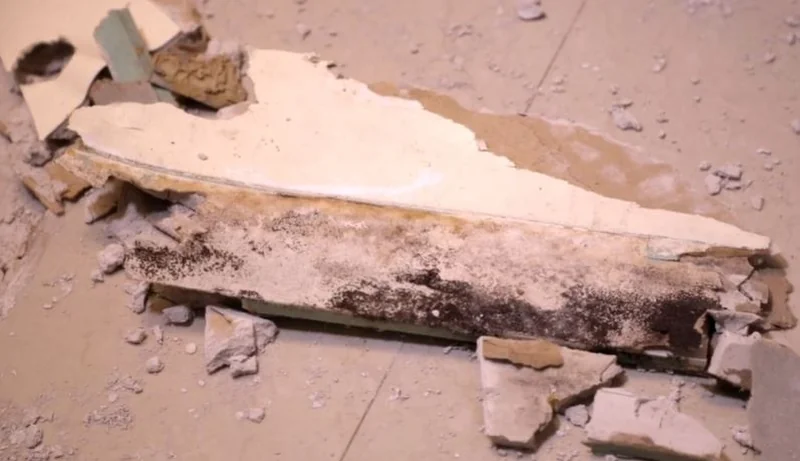
| Stachybotrys chartarum (“black mold”) | Dark greenish-black, slimy when wet | Drywall paper, ceiling tiles, wood | Material has stayed wet for a long time: a slow leak or flood |
| Chaetomium | White at first, turning gray or black | Drywall and wood after water damage | Water damage that wasn’t dried quickly |
| “White mold” (several species) | White and fuzzy | Basement wood, framing, carpet | Basement humidity or moisture through concrete |
Room by room
Mold Cleanup by Area of the Home
Each part of a house gets mold for different reasons, so the fix depends on where it is.
Basement Mold Removal
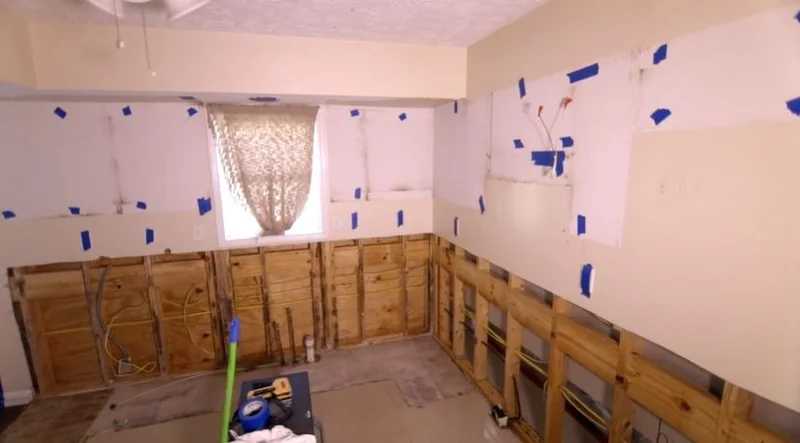
This is where most Sioux Center mold jobs happen. Common causes are spring seepage, sump failures, cracked block walls, floor drain backups and summer humidity. We remove wet drywall (usually the bottom 2 to 4 feet, or more if the moisture goes higher), carpet pad and insulation, HEPA-clean the framing and concrete, and dry everything before anything is rebuilt.
Attic Mold Removal
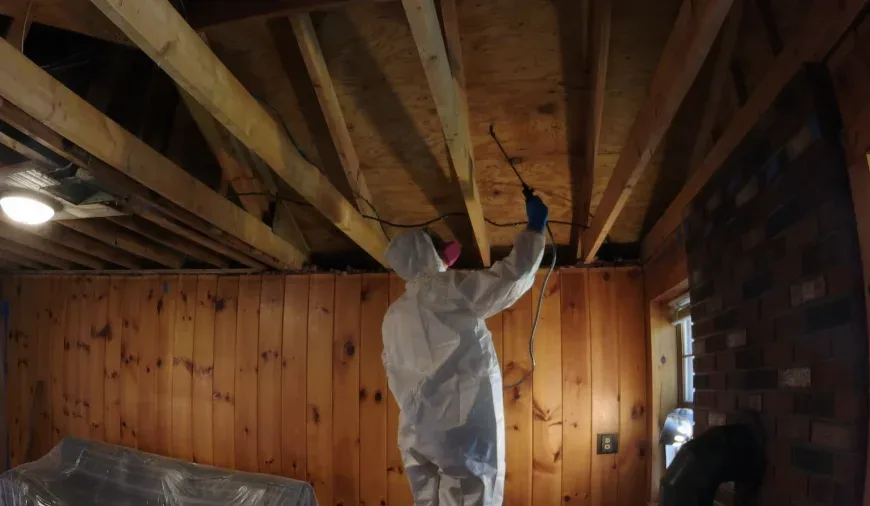
Attic mold usually comes from warm, moist household air, not roof leaks. We clean or blast the sheathing, and make sure bath and kitchen fans vent outside and soffit vents aren’t blocked. Without that ventilation fix, the mold comes back next winter.
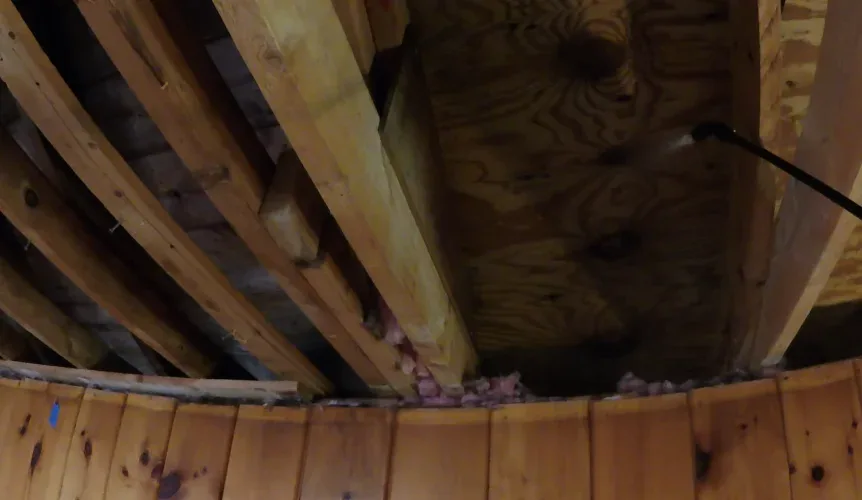
Crawl Space Mold
Bare-dirt crawl spaces in older homes and farmhouses let ground moisture condense on joists all summer. The fix is removing affected insulation, cleaning the wood and installing a vapor barrier or full encapsulation with a dehumidifier.
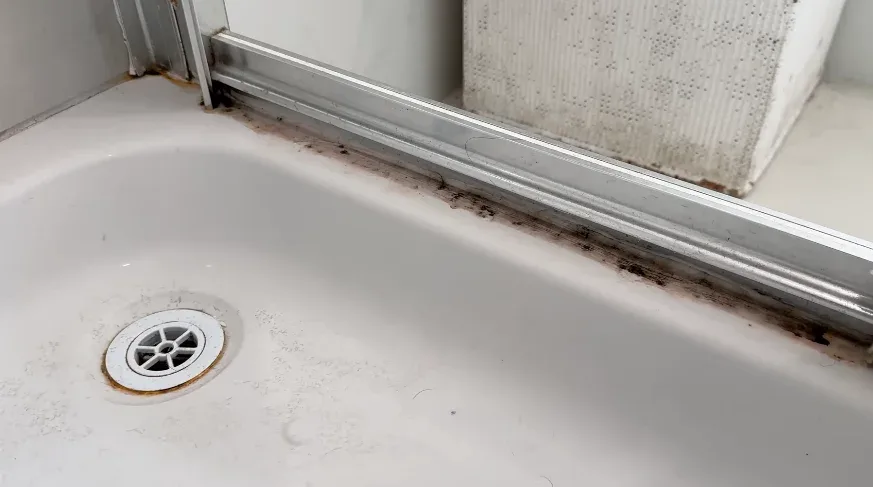
Bathroom and Kitchen Mold
Small spots on grout and caulk are usually a ventilation problem you can clean yourself. Mold that keeps coming back behind tile, under the sink or behind the dishwasher usually means a hidden leak, and the wall or cabinet base has to be opened.
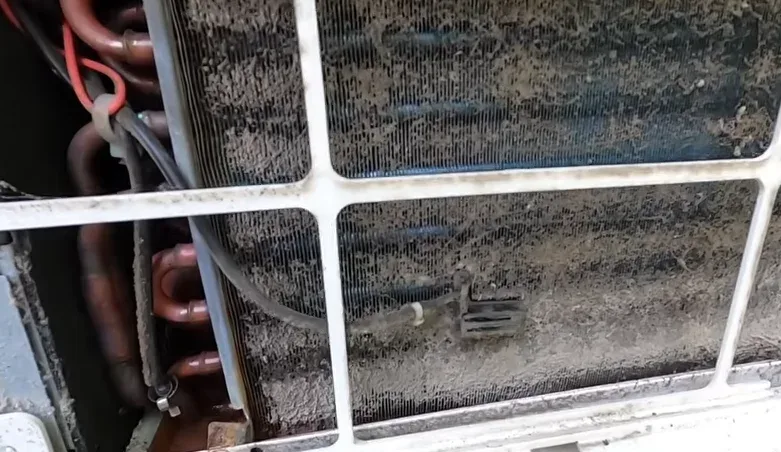
HVAC and Air Duct Mold
A musty smell when the AC starts often points to a clogged condensate drain, a dirty coil or a wet drain pan. We find the source before recommending any duct cleaning.

Sewer Backup Cleanup
Water that comes up through a floor drain during a heavy storm is Category 3, meaning contaminated. Everything porous it touched, including carpet, pad, drywall and cardboard, has to go, and the area must be cleaned and dried before rebuilding.
How we work
Our 9-Step Mold Remediation Process
Our process follows ANSI/IICRC S520, the industry standard of care for mold remediation (4th edition, 2024). The core idea is to physically remove mold and fix the moisture, not spray over it.
01
Step 1: Quick Phone Triage
On the first call, we ask what you’re seeing, where it is, how long it’s been there, whether the water was clean or from a drain or flood, and whether anyone in the home has asthma or other health concerns. Your answers tell the crew which equipment to bring, so they arrive ready to work.
02
Step 2: Same-Day Inspection and Moisture Mapping
We use moisture meters and a thermal imaging camera to find every wet area, including behind walls and under floors, and trace it to the source.
03
Step 3: Written Scope and Estimate
You get a written plan with photos saying what will be removed, how the area will be contained, how long it should take and what it costs, before any work starts.
04
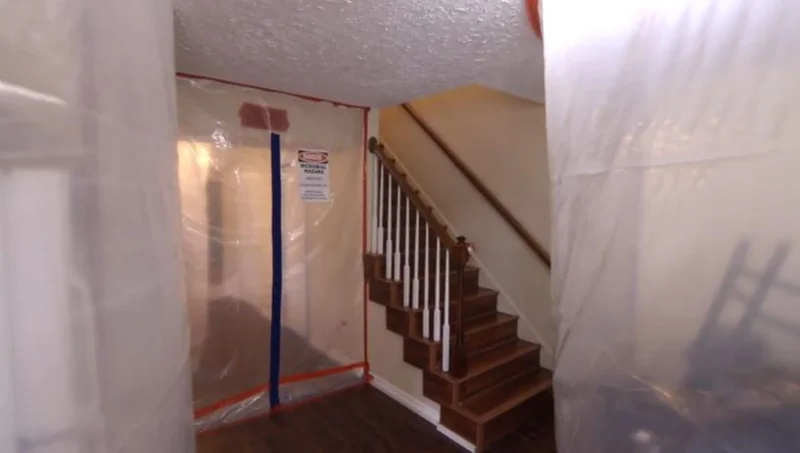
Step 4: Containment and Negative Air
We seal the work area with plastic sheeting and run HEPA air scrubbers under negative pressure, so spores are pulled out of the house instead of into the rest of it. We shut off or seal the HVAC so it doesn’t spread spores through the ducts.
05
Step 5: Removal of Damaged Materials
Porous materials that can’t be cleaned, such as moldy drywall, carpet pad and insulation, are cut out, bagged inside the containment and carried out.
06
Step 6: HEPA Vacuuming and Cleaning
Framing, concrete and other solid surfaces are HEPA-vacuumed and damp-wiped. Heavily affected wood may be wire-brushed or sanded, and large attics may be dry-ice blasted.
07
Step 7: Drying
Dehumidifiers and air movers bring wood and concrete back to normal moisture levels, and we check the readings before anything is closed up.
08
Step 8: Verification and Photo Report
We do a final visual check, take moisture readings and give you dated before-and-after photos. If you want lab clearance testing, we recommend an independent tester.
09
Step 9: Fix the Source and Rebuild
The leak, drainage, ventilation or humidity problem gets fixed, then walls and floors go back in. We’ll tell you plainly if part of the fix needs a plumber, roofer or waterproofing contractor.
Quick answer: How long does mold remediation take?
A small, contained job is often done in a day or two. A full basement with drying and clearance testing can take a week or more before rebuilding starts.
Honest pricing
How Much Does Mold Remediation Cost in Sioux Center?
Most professional mold jobs cost between $1,200 and $3,750, and the national average is about $2,300 to $2,400. The biggest factors are how much material has to come out and whether the mold is behind finished walls. These are national 2026 figures; your written estimate is based on your home.
| Type of job | Typical 2026 cost |
|---|---|
| Average mold remediation | $1,200–$3,750 |
| Per square foot of affected area | $10–$25 (up to about $30 in hard-to-reach spots) |
| Basement, accessible surface mold | $500–$3,000 |
| Whole basement or attic | Up to about $15,000 |
| Crawl space | $1,500–$4,000; encapsulation $3–$10 per sq ft |
| HVAC or ductwork | $2,000–$10,000 |
| Basement dehumidifier, installed | $1,100–$2,800 |
Sources: Angi, This Old House, HomeGuide and The Basement Guide (2026).
What Raises or Lowers the Price
- Size of the affected area and how many rooms need containment
- Finished basement (drywall, carpet, built-ins) versus bare concrete
- Clean water versus sewage or floodwater
- Access: attics and crawl spaces take longer
- Whether you need rebuild work, lab testing or moisture control equipment afterward
What a Fair Quote Includes
A fair quote lists the areas and materials to be removed, the containment and air filtration plan, drying, how the job will be verified, and what isn’t included. Be careful with any quote that’s mostly “treatment” or fogging with no material removal, or one that’s given over the phone without anyone seeing the problem.
Insurance
Does Homeowners Insurance Cover Mold in Iowa?
Homeowners insurance usually covers mold only when it comes from a sudden, accidental event, like a burst pipe or a failed water heater. Mold from slow leaks, long-term humidity or neglect is usually excluded.
What’s Usually Covered
- Mold caused by a sudden plumbing or appliance failure that you reported promptly
- Cleanup up to your policy’s mold limit, which is often $5,000 to $10,000 and sometimes as low as $1,000
What’s Usually Not Covered
- Gradual leaks and ongoing humidity problems
- River or surface flooding, which needs separate flood insurance (NFIP or private)
- Sewer or sump backup, unless you added a water backup endorsement
- Damage reported long after you found it; late reporting is a common reason claims get denied
How We Help With Your Claim
We give you dated photos, moisture readings and a written scope for your adjuster. We can’t promise what your insurer will pay, but good documentation makes the conversation easier.
Real estate
Buying or Selling? Mold Found in the Home Inspection
A home inspection that mentions mold or moisture can stall a sale fast. Iowa Code 558A requires sellers to disclose known problems, and the state disclosure form asks directly about basement water. Buyers want to know how big the problem is, and sellers want it handled before closing.
Here’s how we help buyers, sellers and real estate agents:
- Same-day look. We can usually get out the day you call, which matters when closing is two weeks away.
- A written scope you can share. Photos, moisture readings and what needs to be removed, in plain language both sides can read.
- Work scheduled around showings and closing.
- Independent clearance testing. We’ll point you to an independent tester so the result carries weight with the other side.
- Records for disclosure. Dated documentation of what was found and fixed, for future buyers.
Selling a house with mold · Buying a house with mold · For real estate agents
DIY or pro?
Can You Remove Mold Yourself?
Yes, if the moldy area is smaller than about 10 square feet (roughly a 3-by-3-foot patch) and the water problem is fixed. That’s the EPA’s guideline. Scrub hard surfaces with detergent and water, dry them completely, and wear an N95 mask, gloves and goggles.
A few things save a lot of trouble:
- Bleach isn’t the answer. The EPA doesn’t recommend bleach or other biocides as a routine part of mold cleanup. On drywall and wood, it doesn’t reach mold in the material, and it doesn’t fix the moisture.
- Don’t paint over mold. Primers like Kilz cover the stain, but the mold is still there, and the paint will peel.
- Throw out moldy porous items like ceiling tiles, carpet pad and cardboard.
Call a professional when
- The area is bigger than 10 square feet
- The water was sewage or floodwater
- The mold is in your HVAC system
- Someone in the home has asthma or a weakened immune system
- You can smell mold but can’t find it
Before you hire
How to Choose a Mold Remediation Company in Iowa
Iowa doesn’t require a license for mold remediation, so anyone can call themselves a mold expert. Here’s how to check a company before you hire them.
Questions to Ask Any Mold Company
- Are you registered with the State of Iowa? Contractors who earn $2,000 or more a year from construction must register with the Iowa Department of Inspections, Appeals, and Licensing (DIAL), and you can look them up on the DIAL website.
- Who on the crew holds IICRC certifications, such as Applied Microbial Remediation Technician or Water Restoration Technician?
- Can you send a certificate of liability insurance?
- Will I get a written scope with containment, removal and drying spelled out?
- How will you verify the job is done, and can I use an independent tester?
- What does your warranty cover, and what happens if the moisture source isn’t fixed?
Red Flags
- “Toxic black mold” scare talk and pressure to sign the same day
- Spray-only, fogging or ozone jobs with no material removal
- A price given before anyone sees the problem
- The same company testing, remediating and clearing its own work with no independent option
- Large cash deposits up front
Who we help
Who We Help Around Sioux Center
Homeowners and families dealing with a musty basement, a bathroom that won’t stay clean or water after a storm
Landlords and property managers. Iowa Code 562A.15 requires landlords to keep rentals fit and in repair, and we provide documented, fast turnover work. Help for landlords.
Renters and Dordt students who need to document a mold problem and know their rights. Renter’s guide.
Acreage and farmhouse owners, with older crawl spaces, stone foundations and wells. Farmhouses and acreages.
Churches, daycares and small businesses that need work scheduled around services and business hours. Commercial mold remediation.
Spanish-speaking families: our main guides are available in Spanish. Información en español. Our phone line is answered in English.
Service area
Mold Removal Service Areas Near Sioux Center
Same-day mold removal and water damage response across Sioux Center and 35 surrounding towns in five northwest Iowa counties. Distances are straight-line miles from our Sioux Center office.
Sioux Center (Home Base)
Finished basements in 1970s–1990s homes, newer tight homes in Windsong, Meadow Creek and Harvest Heights, and rentals near Dordt University. Sump failures in spring, musty basements in August and attic frost in January.
Orange City
About 27% of homes were built before 1960, plus Northwestern College rentals. Baseball-size hail fell nearby on September 1, 2026. Mold removal in Orange City →
Rock Valley
The Rock River levee breach on June 22, 2024 damaged about 500 homes, and about half of households here rent. Rebuilt basements should be checked for moisture behind new drywall. Mold removal in Rock Valley →
Hull
6.79 inches of rain fell June 20–22, 2024, and 70–80 mph winds brought trees down on September 1, 2026. Mold removal in Hull →
Hawarden
On the east bank of the Big Sioux River, with widespread flooding in 2024. Mold removal in Hawarden →
Sheldon
The Floyd River crested above its record in June 2024, and about 40% of Sheldon homes were built before 1960. Mold removal in Sheldon →
Le Mars
The largest city we serve, with a median home built in 1975 and many rental homes. Mold removal in Le Mars →
Rock Rapids
The Rock River crested above 28 feet in June 2024, beating the 2014 record, and many homes had flooded basements. Mold removal in Rock Rapids →
Every Town and ZIP Code We Serve
Sioux County
Sioux Center (51250), Orange City (51041), Hull (51239), Rock Valley (51247), Maurice (51036), Alton (51003), Ireton (51027), Boyden (51234), Hospers (51238), Hawarden (51023), Granville (51022), Matlock (51244) and Chatsworth (51011). All Sioux County towns.
Lyon County
Rock Rapids (51246), Doon (51235), George (51237), Inwood (51240), Larchwood (51241), Little Rock (51243), Lester (51242) and Alvord (51230). All Lyon County towns.
Plymouth County
Le Mars (51031), Akron (51001), Remsen (51050), Merrill (51038), Brunsville (51008), Oyens (51045) and Westfield (51062). All Plymouth County towns.
O’Brien County
Sheldon (51201), Sanborn (51248), Primghar (51245) and Archer (51231). All O’Brien County towns.
Osceola County
Sibley (51249), Ocheyedan (51354), Ashton (51232) and Melvin (51350). All Osceola County towns.
Acreages and farm homes
We also serve acreages and farm homes between towns. If you’re on a rural route, just give us your address when you call. See the full service area.
Prevention
Mold Prevention Checklist for Sioux Center Homes
- Keep indoor humidity under 60%, ideally 30–50% (EPA). A $10–$50 hygrometer tells you where you stand.
- Run a basement dehumidifier from May through September.
- Test your sump pump every spring before the snow melts, and add a battery backup for storm outages.
- Make sure the sump discharges to the yard or storm system, never the sanitary sewer (City of Sioux Center rule).
- Clean gutters, extend downspouts and keep soil sloping away from the foundation.
- Check that bathroom, kitchen and dryer vents go outdoors, not into the attic.
- On the first very cold morning of winter, look in the attic for frost on nails.
- Dry any leak within 24 to 48 hours.
- After hail, have your roof, siding and windows checked.
- Review your insurance for mold limits, water backup and flood coverage before spring.
- Test for radon. Every Iowa county is in EPA Radon Zone 1, and an Iowa survey found 71.6% of homes above the EPA action level (Iowa HHS). Radon comes in through the same foundation cracks and sump pits as moisture.
FAQ
Mold Removal in Sioux Center: Frequently Asked Questions
Latest local update
September 2026 Update: What This Year Means for Your Home
- September 1, 2026 storms: baseball-size hail near Orange City, dime-size hail just south of Sioux Center and 70–80+ mph gusts in Hull (NWS Sioux Falls). Roofs, siding and windows that took hail can leak slowly for months before a stain shows.
- June 29–30, 2026 storms: gusts near 60 mph and hail in Sioux Center.
- Rock Valley flood recovery: on June 30, 2026, FEMA funding was announced for Rock Valley, including buyouts of 104 properties damaged in the 2024 flood (WVIK). If you’re rebuilding or bought a home that flooded in 2024, have the basement checked for moisture before finishing it.
About us
About Siouxland Mold Solutions
Siouxland Mold Solutions is a Sioux Center company focused on mold removal, mold remediation and water damage restoration. We deal with the same wet springs, humid Augusts and subzero Januarys you do, and we know how they show up in local basements and attics. Our approach is simple: find the water, remove the mold properly, dry it out, fix the cause and put it all in writing.
Why act now
The Longer You Wait, the Worse It Gets
Mold starts in 24 to 48 hours.
Wet drywall, carpet and wood don’t wait for a convenient time (EPA).
A small job turns into a big one.
Accessible surface mold in a basement often runs $500 to $3,000. Once it spreads through a whole basement or attic, it can reach about $15,000.
Waiting can cost you the insurance claim.
Reporting damage long after you found it is one of the most common reasons mold claims are denied.
Contact
Contact Siouxland Mold Solutions in Sioux Center
If you’re smelling it, seeing it or standing in water, call us. We’ll listen, tell you what’s likely going on and give you honest options, including when you can handle it yourself.
- Siouxland Mold Solutions
- 529 4th St NW, Sioux Center, IA 51250
- Phone: (712) 569-1887
- Email: Contact@moldremovalsiouxcenter.com
- Hours: Call anytime, 24/7, including emergencies
- Response: same-day across Sioux Center and our service area