

Ice Dam Mold · Sioux Center, IA
Ice Dam Mold in Sioux Center, IA
Ice dams push meltwater under the shingles and into the attic, the walls and the ceiling. Siouxland Mold Solutions dries the structure, removes mold in the attic and wall cavities and tells you honestly what has to change so the dams stop forming. Same-day response, calls answered 24/7.
The dam is a symptom. The real cause is heat escaping into the attic. Here’s how a winter ice dam becomes a spring mold problem.

Ice Dam Mold
How Do Ice Dams Cause Mold in a House?
An ice dam is a ridge of ice at the roof edge that blocks meltwater from draining. The water backs up under the shingles, soaks the roof deck and attic insulation, and runs into the ceiling and walls. Wet wood and insulation, left damp through winter, grow mold.
According to Building America (PNNL), ice dams need snow plus a roof deck warm enough to melt it. Heat loss and air leakage from the house warm the deck, the meltwater runs down and refreezes at the cold eave, and the dam grows. Snow itself insulates, so deeper snow can make it worse. University of Minnesota and MSU Extension both note the resulting water soaks insulation, stains ceilings and encourages mold.
Northwest Iowa has the ingredients. Sioux Center averages about 34.8 inches of snow a year, with January lows near 9°F. Big snow events add load: Remsen and Akron each measured 9 inches on January 28, 2023, and Inwood’s community center roof collapsed under snow that day. Roofs, attics and gutters work hardest in exactly those weeks.
Quick answer: Can an ice dam cause mold in a ceiling or wall?
Yes. Water that backs up under shingles can soak attic insulation and drywall. If wet insulation or drywall stays damp for more than 24 to 48 hours, mold can start (EPA). The ceiling stain is often the first sign.
Warning Signs
What Are the Signs of Ice Dam Damage and Mold?
Look for these during a thaw and in the weeks after.
Icicles and a Ridge of Ice at the Eaves
Heavy icicles and a thick ice band at the roof edge, especially over heated rooms.
Water Stains Near Outside Walls
Brown stains along the top of exterior walls or at the ceiling edge, which is where the ice dam water enters.
Wet or Matted Attic Insulation
Compressed, stained or damp insulation near the eaves.
Peeling Paint or Bubbling Drywall
Paint that blisters on exterior-wall ceilings. Bubbling paint on walls.
Musty Smell After the Thaw
A smell in an upstairs room or along an exterior wall when the weather warms.
Water Dripping From Light Fixtures
Water reaching fixtures is serious. Turn the power off and call.
Quick answer: Should I chip the ice off my roof?
No. Mass.gov and the Clean Energy Resource Teams both advise against chipping, chemicals or heat on the roof, which damages shingles and is dangerous. A roof rake is a stopgap. Hire a professional steam service for an active dam.
Local Causes
Why Do Sioux Center Homes Get Ice Dams?
Snow, heat leaks and attic design all play a part.
Snowfall and Deep Cold
Sioux Center averages about 34.8 inches of snow a year with long cold stretches. Snow on a warm roof is the setup.
Heat Escaping Into the Attic
Gaps around lights, hatches, plumbing and wiring warm the roof deck. PNNL calls air leakage one of the greatest sources.
Thin or Uneven Insulation
Older homes often have too little. Cold-climate guidance runs around R-49 to R-60 for attics.
Blocked Soffit Vents
Insulation pressed against the eaves blocks airflow that keeps the deck cold.
Complex Rooflines
Valleys, dormers and additions hold snow and warm up unevenly.
Freeze-Thaw Swings
Sunny days above freezing followed by cold nights are classic ice dam weather.
DIY or Professional?
What Can You Do About an Ice Dam Yourself, and When Should You Call?
Safety first: don’t climb an icy roof.
| What you’re seeing | Our advice | Why |
|---|---|---|
| Icicles only, no leaks | DIY: roof rake from the ground, carefully | Stopgap only |
| Active dam and water inside | Call a steam professional, and call us for drying | Quick action limits damage |
| Wet ceiling or wall | Call: moisture mapping and drying | Mold can start in 24–48 hours |
| Wet attic insulation | Call: remove and replace | Wet insulation grows mold |
| Stains after the thaw, no water now | Call for a moisture check | It may still be wet inside |
| Repeated dams every winter | Air sealing and insulation project | The real fix |
Heating cables are not recommended by the Minnesota Dept. of Commerce, and chipping with hammers damages shingles. Sources: Building America (PNNL) and MNCEE.
Our Process
How Do We Handle Ice Dam Water Damage and Mold, Step by Step?
We handle the inside. A roofer or air-sealing contractor handles the roof and attic leaks.
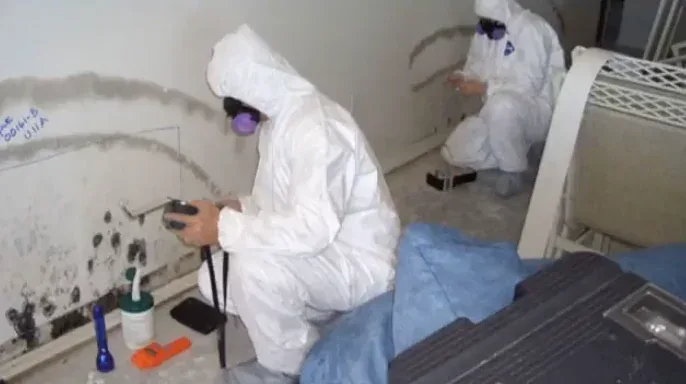
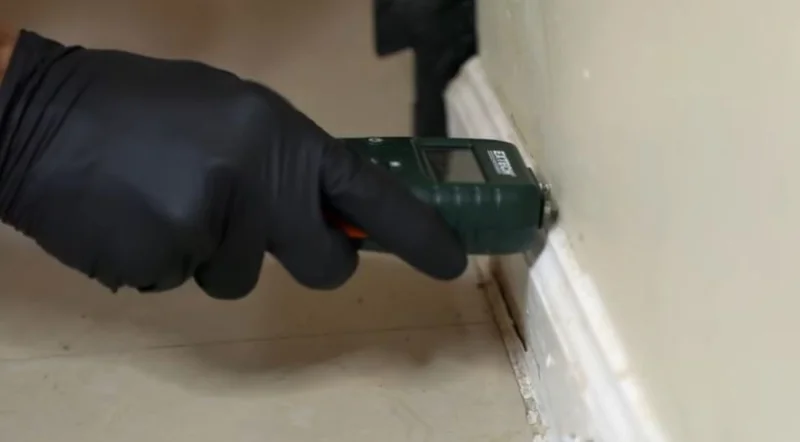
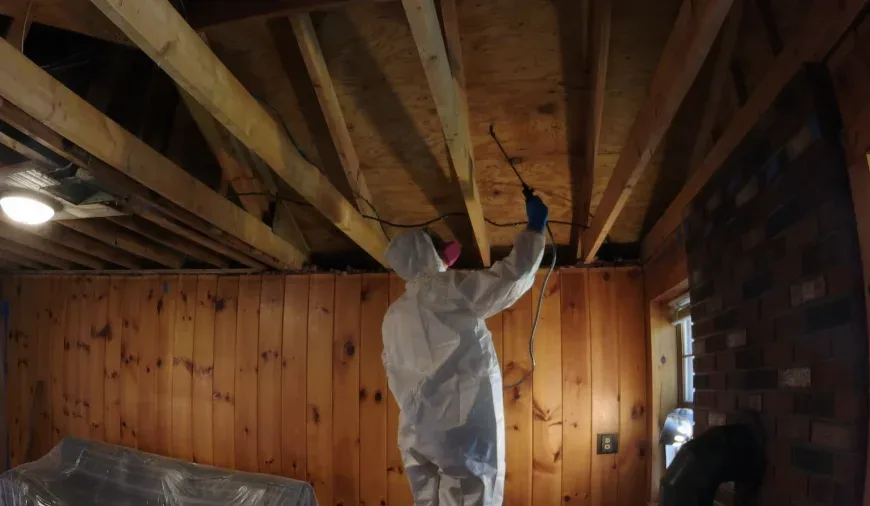
Assess the Water
Thermal imaging and moisture meters in the attic, ceiling and walls show how far the water went.
Why it matters: Hidden wet insulation is common.
Dry the Structure
Dehumidifiers and air movers dry the ceiling, walls and attic. Wet drywall is cut out.
Why it matters: Fast drying prevents growth.
Remove Wet Insulation
Soaked or moldy insulation is removed in containment.
Why it matters: Wet insulation never dries well.
Treat Mold
If growth has started, we contain and HEPA-clean to ANSI/IICRC S520.
Why it matters: Protects the rest of the house.
Advise on the Cause
Air sealing, insulation, ventilation and eave protection. Self-adhering membrane at the eaves and valleys is a standard fix (PNNL).
Why it matters: So next winter is different.
Repair and Verify
Drywall, paint and insulation are replaced after readings confirm dryness.
Why it matters: Proof the job is done.
If the water traced back to a leak in the roof itself, see mold after a roof leak.
Removal & Prevention
How Do You Get Rid of Ice Dams Safely, and How Do You Stop Them?
There’s a short-term fix and a real fix.
| Method | Good for | Notes |
|---|---|---|
| Roof rake from the ground | Reducing snow load | A stopgap; rake carefully |
| Professional steaming | Active dams causing leaks | Typically $650–$2,400 (Angi) |
| Heating cables | Not recommended | Minnesota Dept. of Commerce |
| Chipping or chemicals | Avoid | Damages shingles; can be dangerous |
| Air sealing + insulation | The permanent fix | Typically $1,000–$4,500 (MNCEE) |
| Eave membrane | Waterproofing the eaves | Self-adhering underlayment at eaves and valleys |
Permanent Fix Checklist
- Air seal the ceiling plane
- Insulate evenly, deeply
- Keep soffits open with baffles
- Move ducts and fans out of the attic
- Install eave protection
Stopgap Only
- Roof rakes
- Salt or chemicals
- Cables
- More vents without sealing
Cost
How Much Do Ice Dam Removal, Repair and Mold Cleanup Cost?
National 2026 ranges. We’ll give you a written price for the mold and drying side.
Steam Removal
$650–$2,400Typical range; average about $1,200 (Angi, updated July 2026).
Air Sealing + Insulation
$1,000–$4,500Typical project range (MNCEE).
Mold Remediation
$1,000–$4,000Attic mold; whole-job remediation $1,200–$3,750.
What Changes the Price
- How much insulation is wet
- Ceiling and wall sections affected
- Attic access
- Roof repair needed
For Your Insurer
- Photos of the dam, the stains and the attic
- Moisture readings
- Date of the thaw
- Written scope
Quick answer: Does insurance cover ice dam damage?
Often water damage from an ice dam is covered as sudden damage, but mold and the cost of fixing the heat loss usually aren’t. Ask your agent and document the date.
Prevention
How Do You Prevent Ice Dams and the Mold They Cause?
Keep the roof cold and the house sealed.
Air Seal First
The main fix.
Add Insulation
Cold-climate attics need a lot.
Keep Vents Open
Use baffles at the eaves.
Clean Gutters
In fall, before the freeze.
Rake After Big Snows
From the ground, carefully.
Check the Attic in Winter
Look for frost and damp.
Ice dam water inside your house? Call now. Same-day response in Sioux Center.
FAQ
Ice Dam Mold: Frequently Asked Questions
What Sioux Center homeowners ask about ice dams and mold.
Will an ice dam leak always cause mold?
No. If wet materials dry within 24 to 48 hours, mold usually doesn’t grow (EPA). Wet insulation often stays wet longer than that.
How much insulation do I need in my attic?
Cold-climate guidance runs roughly R-49 to R-60, but air sealing comes first. Ask a contractor.
Do heating cables work?
The Minnesota Dept. of Commerce does not recommend them. Air sealing and insulation are the lasting fix.
Can I fix an ice dam leak myself?
You can reduce snow with a roof rake from the ground, but don’t climb an icy roof, and hire a pro for active dams.
When should I call a mold company after an ice dam?
As soon as you see a wet ceiling or wall, or within a day or two of finding wet insulation.
Will my roof need replacing?
Not necessarily. Ice dams can damage shingles, but a roofer can tell you.
Do you handle ice dam mold outside Sioux Center?
Yes. Same-day response in Sioux Center (51250), Orange City (51041), Hull (51239), Rock Valley (51247), Sheldon (51201), Le Mars (51031) and the towns around them. Call anytime, 24/7, and we’ll tell you honestly when we can be there.
Do I need a mold test first?
Usually not to decide on cleanup. The CDC doesn’t recommend routine mold testing, and neither does Iowa HHS. A moisture inspection finds the cause, which is what matters. Independent clearance testing after the work is welcome if you want lab confirmation.
Will insurance cover it?
Often only when the damage came from a sudden, covered event like a burst pipe or a storm that opened the roof. Long-term seepage, humidity and flooding are usually excluded, and sump or sewer backup needs a water-backup endorsement. We give you dated photos, moisture readings and a written scope for your adjuster either way.
Get Help Today
Ice Dam Water or Mold? Call Us Today
Tell us where the water showed up. We’ll tell you what to do right now and be there the same day.
Siouxland Mold Solutions
- Office529 4th St NW, Sioux Center, IA 51250
- Phone(712) 569-1887
- EmailContact@moldremovalsiouxcenter.com
- HoursCall anytime, 24/7, including emergencies
- ResponseSame-day across Sioux Center and our service area