

Attic Frost & Mold · Sioux Center, IA
Attic Frost and Mold in Sioux Center, IA
White frost on the roof nails and sheathing in January turns into dripping, stained insulation and dark mold in March. Siouxland Mold Solutions removes the mold, cleans the roof deck and tells you honestly what to fix so the frost stops forming. Same-day response, calls answered 24/7.
Frost in an attic isn’t a roof problem. It’s a warm, humid air problem. Here’s what causes it, and why mold follows the thaw.
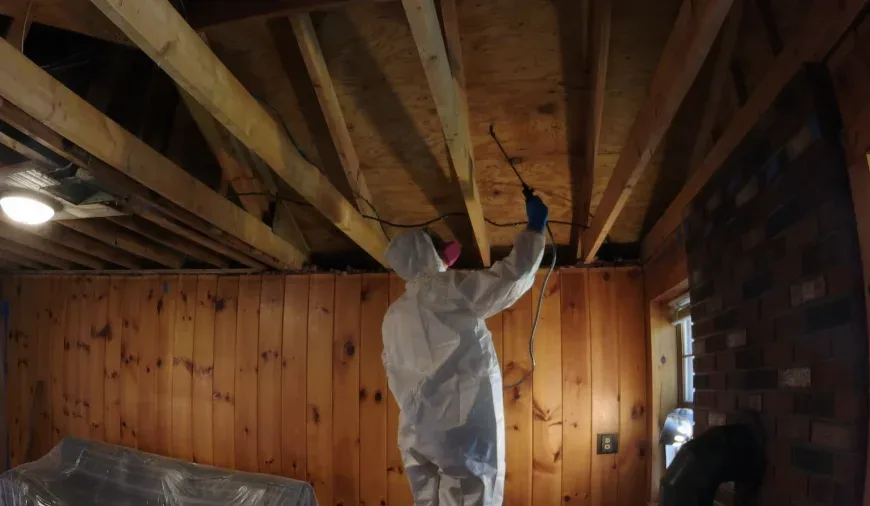
Attic Frost and Mold
Why Does Frost Form in an Attic, and Does It Cause Mold?
Frost forms when warm, moist air from the house leaks into a cold attic and freezes on the roof sheathing and nail tips. The frost itself is mostly harmless; the damage comes when it thaws. Meltwater soaks the wood and insulation, and wet wood stays damp long enough for mold.
That follows what the Department of Energy’s Building America team says: condensation forms when a surface falls below the dew point, frost usually causes no trouble, and problems start when it melts. The air gets in through holes in the ceiling: recessed lights, the attic hatch, plumbing and wiring penetrations, bath fans and dryers vented into the attic, and chimney chases.
Northwest Iowa is textbook. With about 34.8 inches of snow a year, January lows near 9°F and a record of −37°F, a leaky ceiling pumps house moisture into a freezing attic all winter. Sioux Center homes range from old to new: about 13% date to before 1950, and a third have gone up since 2000. Both can have the problem, and tight new homes can have it worse.
Quick answer: Is frost in my attic dangerous?
Not by itself. But it means moist air is getting up there, and when it thaws it wets insulation and wood, which can grow mold and reduce insulation. Look at the roof nails in January: heavy frost is the early warning.
Warning Signs
What Are the Signs of Attic Frost and Mold?
Most homeowners only see it when they go up for holiday boxes. Watch for these, especially after a cold spell turns to a thaw.
White Frost on Nails and Roof Boards
In deep cold, frost on nail tips and the underside of the decking. It disappears on warm days, leaving damp wood.
Dark Staining on Plywood or OSB
Black or gray patches, usually near the ridge, the eaves, bath fan outlets and chimneys.
Dripping or Wet Insulation
Compressed, stained or damp insulation after a thaw. Wet insulation loses much of its value.
A Musty Smell From the Hatch
If the attic hatch breathes out a musty smell, there is moisture and likely growth up there.
Ceiling Stains After Thaws
Brown rings on the ceiling that appear in late winter. Water stains on ceiling.
Rust on Nails and Fasteners
Persistent moisture shows up as rust on nail tips poking through the roof boards.
Quick answer: Is it frost or a roof leak?
Frost forms in cold weather across large areas of the roof deck and clings to nails. A roof leak leaves a stain in one place after rain or snowmelt. Both can exist. If the pattern follows the bath fan duct or the chimney, think air leak.
Local Causes
Why Do Sioux Center Attics Get Frost and Mold?
Moist air, cold wood and time. Here’s how our climate and our homes line up.
Long, Cold Winters
NOAA normals show about 34.8 inches of snow a year, and January lows near 9°F. The colder the attic, the more easily house moisture freezes there.
Bath Fans and Dryers Venting Into the Attic
Fans should vent outdoors, not into the attic or a space between floors (ASHRAE 62.2 guidance). Hundreds of pounds of moisture a year can end up on the roof deck.
Leaky Ceilings in Older Homes
Pre-1950 houses and 1970s ranches have gaps around wiring, plumbing, chimneys and light fixtures.
Tight New Homes
A third of Sioux Center homes were built since 2000. Tight houses trap humidity inside, so a small leak into the attic carries a lot of moisture.
Inadequate Ventilation or Blocked Soffits
Insulation pushed into the eaves blocks airflow. Code calls for balanced intake and exhaust, with baffles to keep a 2-inch air path.
Hail and Storm Damage
The April 2026 hail near Remsen reached 2.75 inches, and 2025 storms opened roofs. Leaks and frost often combine.
DIY or Professional?
What Can You Do About Attic Frost Yourself, and When Do You Call?
Air sealing is the main fix, and it’s often a DIY and contractor job. Mold needs a pro once it’s established.
| What you’re seeing | Our advice | Why |
|---|---|---|
| Frost on nails, no stains or odor | DIY: seal air leaks, check fans and the hatch | Stops the moisture source |
| Bath fan or dryer vented into the attic | Reroute outdoors (a contractor if needed) | ASHRAE 62.2 says vent outdoors |
| Wet insulation after a thaw | Call: remove and replace affected insulation | Wet insulation grows mold and loses R-value |
| Dark staining on roof boards, under 10 sq ft | DIY possible with HEPA vac and detergent | EPA 10 sq ft guideline |
| Staining across large areas of decking | Call: remediation with containment | Large growth needs containment |
| Ceiling stains in the rooms below | Call: moisture inspection | Water is reaching the ceiling |
| Insulation touching soffits, blocked vents | Fix baffles; contractor if needed | Restores airflow |
Wear an N95, gloves and goggles in the attic, and don’t walk on ceiling drywall between joists. Sources: Building America (PNNL), condensation control in attics.
Our Process
How Do We Fix Attic Frost and Mold, Step by Step?
Mold removal is half of it. The other half is stopping the frost.

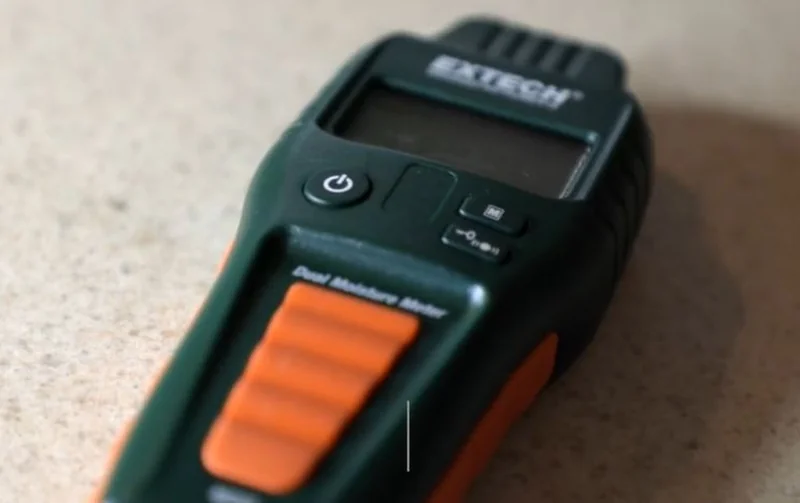
Inspect and Map Moisture
We check the attic with moisture meters and a thermal camera to find damp decking, wet insulation and where air is leaking.
Why it matters: Frost is the symptom; the leak is the cause.
Written Scope and Plan
You get a scope that covers the mold work and the air-sealing and ventilation fixes we recommend.
Why it matters: You see the full picture first.
Contain and Protect
We seal the attic hatch and set up HEPA air filtration before disturbing anything.
Why it matters: Disturbing attic mold sends spores down into the house.
Remove and Clean
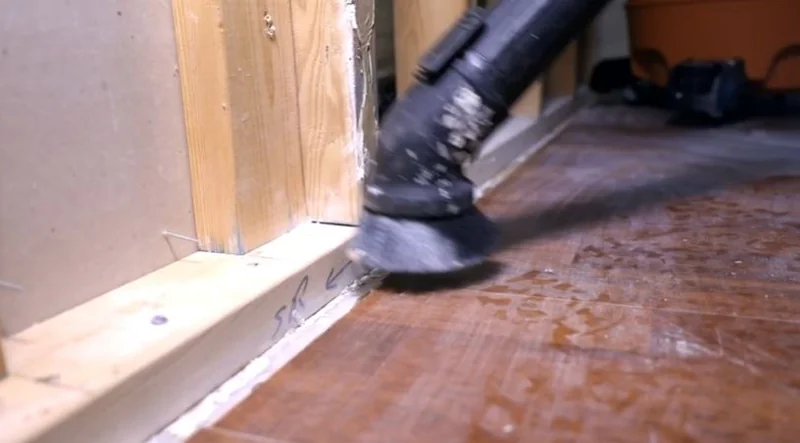
Wet or moldy insulation is bagged and removed. Roof decking is HEPA-vacuumed, scrubbed and sanded or wire-brushed if stained.
Why it matters: Solid wood can be cleaned.
Dry and Verify
We dry the attic and confirm readings before new insulation goes in.
Why it matters: No new insulation over wet wood.
Fix the Cause
Air sealing the ceiling plane, rerouting fans, baffles at the eaves and adding insulation. We tell you what we do and what a contractor does.
Why it matters: Otherwise the frost and mold return.
Full attic service: attic mold removal in Sioux Center.
Common Fixes
What Actually Stops Attic Frost: Venting, Air Sealing or Insulation?
Order matters. Air sealing comes first, then insulation, then ventilation tuning.
| Fix | What it does | Notes |
|---|---|---|
| Air-seal the ceiling | Stops warm, moist air reaching the attic | The main fix (PNNL, CCHRC) |
| Reroute bath fans and dryers | Takes moisture out of the house | Duct to the outdoors, insulated, short and straight (PNNL) |
| Add insulation | Keeps the attic floor and the roof cold uniformly | Cold-climate guidance runs about R-49 to R-60 for attics (DOE, PNNL) |
| Baffles at the eaves | Keeps intake air moving | Maintain about a 2-inch path |
| Balanced ventilation | Moves outside air through | Code typically 1 sq ft per 150, or per 300 in some cases |
| Humidity control | Reduces moisture available | 30–50% in winter (EPA) |
Do First
- Air sealing and bath-fan fixes
- Insulation at the attic floor
- Soffit baffles
- Humidity under control
Not Enough Alone
- More roof vents without air sealing
- Heating cables
- Spraying the frost with chemicals
- Painting over stained wood
Cost
How Much Does Attic Frost and Mold Cleanup Cost?
The mold work and the air-sealing fix are separate. These are national 2026 ranges.
Attic Mold Remediation
$1,000–$4,000$10–$25 per square foot is a common rule of thumb (This Old House, March 2026).
Air Sealing + Insulation
$1,000–$4,500Typical project range from the Minnesota Dept. of Commerce via MNCEE.
Blown-In Insulation
$0.50–$2.30 per sq ftAttic blown-in per square foot (Fixr, January 2026).
What Changes the Price
- Square feet of decking affected
- Insulation removal and replacement
- Attic access and height
- Air sealing scope
Documentation
- Dated attic photos
- Moisture readings
- Written scope
- Receipts for air sealing work
Quick answer: Will insurance cover attic mold from frost?
Usually not. It’s a long-term condensation problem, not a sudden covered event. If a roof leak or a covered storm caused it, it may be covered. We document either way.
Prevention
How Do You Stop Attic Frost From Coming Back?
The recipe is simple: less moisture up, more insulation, balanced air.
Seal the Ceiling
Around lights, hatches, wiring, plumbing and chimneys.
Vent Fans Outside
Insulated ducts, outdoor termination, a damper.
Add Insulation
Even, deep, not blocking the soffits.
Keep Humidity Low
30–50% in winter; lower in deep cold.
Look in January
Frost on nails is the early warning; fix it before the thaw.
Check After Storms
Hail or wind damage can add a leak to a frost problem.
Frost or stained roof boards in your attic? Call now. Same-day response in Sioux Center.
FAQ
Attic Frost and Mold: Frequently Asked Questions
What Sioux Center homeowners ask us about frosty attics.
Why is there frost on the nails in my attic?
Warm, moist air from the house is leaking into the cold attic and freezing on the coldest surfaces, including nail tips.
Does frost always mean mold?
No, but repeated frost and thawing wets the wood and often leads to mold.
Do I need more attic ventilation?
Possibly, but air sealing the ceiling comes first. PNNL notes venting only reduces the effects, not the moisture source.
How much attic insulation do I need?
Cold-climate guidance from DOE and PNNL runs roughly R-49 to R-60. Ask a contractor about your attic.
Can I clean attic mold myself?
A small area under about 10 square feet, yes, with a HEPA vacuum and detergent. Larger areas, wet insulation or a musty smell in the house need a pro.
Is the mold in my attic making my house smell?
It can, especially in a thaw. Fixing the moisture and cleaning usually ends it.
Do you handle attic frost and mold outside Sioux Center?
Yes. Same-day response in Sioux Center (51250), Orange City (51041), Hull (51239), Rock Valley (51247), Sheldon (51201), Le Mars (51031) and the towns around them. Call anytime, 24/7, and we’ll tell you honestly when we can be there.
Do I need a mold test first?
Usually not to decide on cleanup. The CDC doesn’t recommend routine mold testing, and neither does Iowa HHS. A moisture inspection finds the cause, which is what matters. Independent clearance testing after the work is welcome if you want lab confirmation.
Will insurance cover it?
Often only when the damage came from a sudden, covered event like a burst pipe or a storm that opened the roof. Long-term seepage, humidity and flooding are usually excluded, and sump or sewer backup needs a water-backup endorsement. We give you dated photos, moisture readings and a written scope for your adjuster either way.
Get Your Attic Checked
Frost or Mold in Your Attic? Call Us Today
Tell us what you’re seeing on the roof boards. We’ll tell you what’s behind it and what the fix usually costs.
Siouxland Mold Solutions
- Office529 4th St NW, Sioux Center, IA 51250
- Phone(712) 569-1887
- EmailContact@moldremovalsiouxcenter.com
- HoursCall anytime, 24/7, including emergencies
- ResponseSame-day across Sioux Center and our service area