

Bathroom Mold Removal · Sioux Center, IA
Bathroom Mold Removal in Sioux Center, IA
Siouxland Mold Solutions removes bathroom mold that won’t stay gone: mold behind tile and shower surrounds, under tubs and toilets, inside vanity cabinets, on ceilings and in wall cavities, and fixes the ventilation or leak that feeds it. If it’s just surface mildew on grout, we’ll tell you how to clean it yourself.
Spots on the ceiling every winter? Caulk that turns black a month after you replace it? Soft floor by the toilet? Those are signs of more than a cleaning problem.
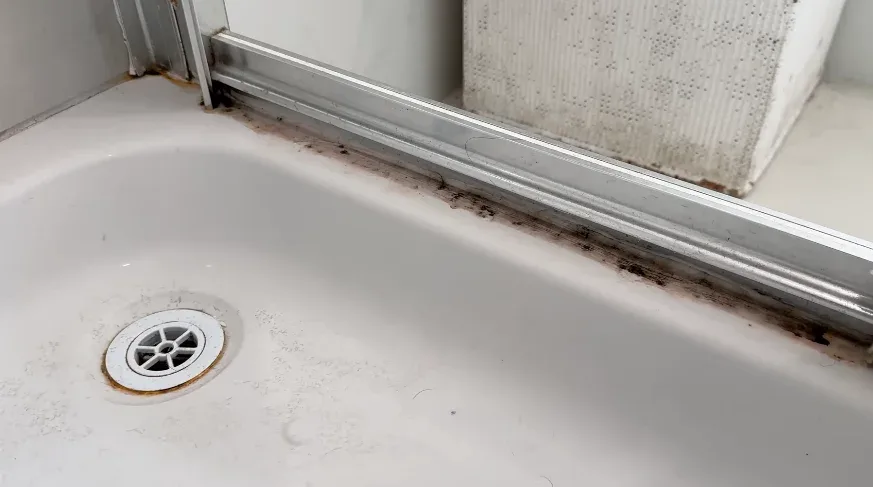
Bathroom Mold Removal
When Does Bathroom Mold Need Professional Removal?
Bathroom mold needs professional removal when it’s inside something: behind tile or a shower surround, in the drywall around a tub, under the floor near a toilet, in the vanity base or across a large area of ceiling. Surface mildew on grout, caulk and painted walls is usually a cleaning and ventilation job you can handle yourself.
Bathrooms are the most humid rooms in any house. A hot shower can push the room close to 100% humidity in minutes, and that moisture lands on the coldest surfaces: the outside wall, the ceiling, the window. In a Sioux Center January, with average lows near 9°F, those surfaces are cold enough to stay wet long after the shower is off.
The EPA says to keep indoor humidity under 60%, ideally 30–50%. A bathroom will spike above that every time someone showers. The goal isn’t to stop that; it’s to get the moisture out fast enough that nothing stays wet long enough to grow mold.
Quick answer: Is bathroom mold dangerous?
The CDC says mold can cause stuffy nose, wheezing and itchy eyes in sensitive people and can trigger asthma attacks. Small patches of surface mildew are common and easy to clean. Mold that keeps coming back, or that’s inside the wall or floor, is the kind to take seriously.
Where It Grows
Where Does Mold Grow in a Bathroom?
Where the mold is tells you most of what you need to know about whether it’s a cleaning job or a repair job.
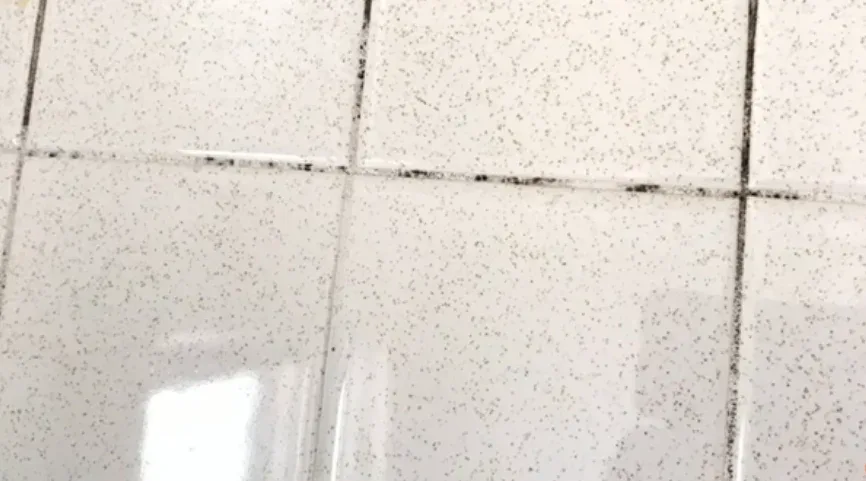
Grout and Caulk
The most common spot, and usually surface growth. Grout can be scrubbed; mold under caulk means the caulk has to be cut out and replaced after the joint dries.
Ceiling Above the Shower
Black spots on the ceiling, especially near an outside wall, often mean the fan isn’t pulling enough air, or cold attic air is chilling that ceiling. Black spots on the bathroom ceiling.
Behind Tile and Surrounds
Cracked grout, failed caulk or a missing waterproofing layer lets water into the wall behind the shower. Loose tiles and a musty smell are the clues.
Under the Tub and Toilet
A failed toilet wax ring or tub drain leaks into the subfloor. Soft flooring, stains on the ceiling below, or a rocking toilet are signs.
Inside the Vanity
Slow drips from supply lines and drain connections swell the cabinet base and grow mold where no one looks.
Fan Housing and Window Sills
A dusty fan that barely moves air, or condensation that drips off the window every winter morning onto the sill and wall.
Honest Advice
How Do You Clean Bathroom Mold Yourself?
For surface mold under about 10 square feet on tile, grout, tubs and painted walls, the EPA says you can clean it yourself: scrub with detergent and water, dry the area completely, and fix the moisture that caused it.
Protect yourself
An N95 mask, gloves and goggles. Open the window and run the fan. Keep anyone with asthma out of the room.
Scrub, don’t just spray
Detergent and warm water with a stiff brush on grout and tile. Never mix bleach with ammonia or acid-based cleaners; the fumes are dangerous.
Replace moldy caulk
Mold under silicone can’t be cleaned out. Cut the old caulk out, clean and dry the joint for a day, then recaulk with a mildew-resistant silicone.
Dry it and keep it dry
Squeegee the walls after showers, run the fan longer, and leave the door open when you’re done.
If it comes back within a few weeks, or you find it on the back of drywall, under flooring or behind tile, stop cleaning and call. DIY vs. professional mold removal.

Quick answer: Does bleach kill bathroom mold?
Bleach can lighten mold on hard, non-porous surfaces like tile, but the EPA doesn’t recommend it as a routine part of mold cleanup, and it doesn’t reach mold in grout pores, caulk or drywall. Detergent, scrubbing and drying work better.
Local Causes
Why Do Sioux Center Bathrooms Get Mold?
Bathroom mold here has a lot to do with northwest Iowa winters and how our houses were built.
Cold Winter Surfaces
With January lows near 9°F and a record of −37°F, bathroom ceilings under a cold attic and walls on the north side stay cold. Shower steam condenses on them and stays wet.
Fans That Vent Into the Attic
A bath fan that dumps into the attic moves the problem upstairs, where it causes frost and attic mold. State Farm lists this among the common causes of attic mold. Bathroom ventilation and mold.
Older Homes Without Fans
About 13% of Sioux Center homes were built before 1950, before bath fans were common. A window is the only ventilation, and nobody opens it in January.
Tight Newer Homes
About a third of homes here were built since 2000. They hold heat and humidity well, so a weak or unused fan matters more.
Busy Family Bathrooms
Sioux Center’s median age is about 30 and close to 4 in 10 households have kids. Back-to-back showers mean the bathroom never fully dries.
Rentals Near Campus
Rentals near Dordt University and Northwestern College see heavy bathroom use and fans that don’t get run or cleaned.
Our Process
How Do We Remove Mold From a Bathroom, Step by Step?
Seven steps, from finding the moisture to handing you a dry, clean room ready for repairs.
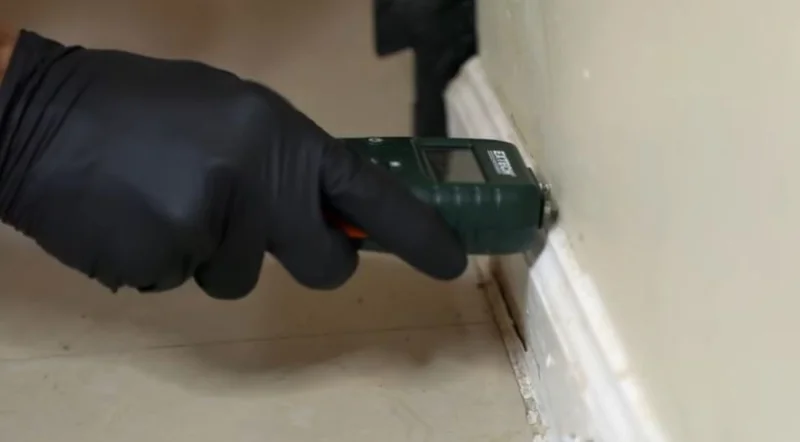

Find the Moisture
Moisture meters and a thermal camera on the walls, floor and ceiling around the shower, tub and toilet; a check of the fan’s airflow and where it vents.
Why it matters: It tells us whether this is ventilation, a leak or both.
Written Scope and Price
What comes out (caulk, drywall, tile, subfloor), how it’s contained, the fix for the moisture source, and the price.
Why it matters: Bathroom jobs vary a lot. You should know which kind yours is before we start.
Contain the Bathroom
Plastic at the doorway, HEPA air scrubber running, HVAC register sealed. The rest of the house stays usable.
Why it matters: Opening a wall behind a shower releases spores; containment keeps them in the bathroom.
Remove Moldy Materials
Moldy caulk, drywall, backer board, subfloor or cabinet base is cut out and bagged. Tile is removed only where the wall behind it is wet or moldy.
Why it matters: We take out what’s damaged, not the whole bathroom.
Clean and Dry
Framing and subfloor are HEPA-vacuumed, cleaned and dried to verified readings before anything is closed back up.
Why it matters: A wet stud behind new tile is the fastest way to redo a bathroom twice.
Fix the Cause
Fan upgraded or rerouted outdoors, a timer or humidity switch added, leaking valves, drains or wax rings flagged for a plumber, and waterproofing called out for the tile installer.
Why it matters: Without this step, the mold comes back.
Verify and Hand Off
Final readings and before-and-after photos, then the space is ready for your contractor, or we coordinate repairs.
Why it matters: Proof for you, your landlord or a future buyer.
Prevention
How Do You Stop Bathroom Mold From Coming Back?
Get the moisture out of the room fast. That means a fan that’s big enough, vented outdoors, and run long enough, plus sealed tile and caulk so water stays in the shower.
- Size the fan right. The Home Ventilating Institute’s rule of thumb is about 1 CFM per square foot of floor for bathrooms up to 100 sq ft, so an 8 x 10 bathroom needs about 80 CFM
- Vent it outdoors through the roof or a wall cap with a damper, never into the attic or a soffit
- Run it during the shower and about 20 minutes after. A timer or humidity-sensing switch makes that automatic
- Clean the fan grille a couple of times a year; dust can cut airflow a lot
- Squeegee the walls and glass after showers and hang towels to dry outside the shower
- Reseal grout and recaulk when caulk cracks or pulls away
- Fix drips at the vanity, toilet supply and tub spout right away
Quick answer: My fan runs, so why is there still mold?
Common reasons: the fan is too small for the room, the duct is crushed or too long, it vents into the attic, the damper is stuck, or it’s only run during the shower. Hold a single square of toilet paper to the grille; if the fan can’t hold it, it isn’t moving much air.
Quick answer: Should renters call about bathroom mold?
Report it to your landlord in writing, with photos. Surface mildew from daily use is usually the tenant’s to clean; mold from a leak, a broken fan or failed caulk is usually the landlord’s to fix under Iowa Code 562A.15.
Quick answer: Is there mold behind my bathroom drywall?
Signs include a musty smell that stays after cleaning, paint bubbling near the tub, and stains that come back. Moisture readings answer it without opening the wall. Mold behind drywall.
When It’s a Leak
What If Your Bathroom Mold Came From a Leak?
When the moisture is a leak rather than steam, the job is water damage restoration first and mold removal second. We do both, under one written scope.
Toilet Overflows
Clean tank water is Category 1, but a bowl overflow with waste is Category 3. Flooring and drywall it soaked into need to come out, and the subfloor needs checking.
Slow Supply-Line and Drain Leaks
A drip under the vanity or behind the toilet can run for months. By the time the floor feels soft, the subfloor and the ceiling below are often wet too.
Tub and Shower Leaks
Failed grout, a cracked shower pan or a leaking valve behind the wall shows up as a stain on the ceiling or wall in the room below.
Frozen Pipes on Outside Walls
Bathroom plumbing on an exterior wall can freeze and split during a northwest Iowa cold snap, then leak inside the wall once it thaws.
Places to Check Twice a Year
- Under the vanity, with a flashlight, for swelling, stains or a damp smell
- Around the toilet base for staining, soft flooring or a rocking toilet
- The ceiling of the room below the bathroom
- Caulk lines at the tub, shower and floor
- The fan grille: does it hold a square of toilet paper?
- The window sill and the wall below it after cold mornings
Cost
How Much Does Bathroom Mold Removal Cost?
Bathroom mold jobs range from a quick cleanup to a wall and floor repair. These are 2026 national ranges; your price is written before work starts.
Surface Mildew
DIYGrout, caulk and painted surfaces under about 10 sq ft. We’ll tell you if that’s all it is.
Typical Bathroom Job
$500–$2,000Drywall or ceiling removal around the shower, cleaning and drying (Angi $500–$1,000; HomeGuide $500–$2,000).
Tile or Subfloor Opened
MoreWhen tile, a shower surround or subfloor has to come out, the cost rises with the repair. You’ll see it itemized.
Quick answer: Is bathroom mold covered by insurance?
Usually not when it’s from daily humidity or poor ventilation. It may be covered when it came from a sudden, covered event like a burst supply line. We give you photos and a written scope either way. Mold remediation cost in Sioux Center.
Mold keeps coming back no matter how much you scrub? Call and we’ll find out why.
FAQ
Bathroom Mold Removal: Frequently Asked Questions
Straight answers about bathroom mold for Sioux Center homeowners, landlords and renters.
Why does my bathroom keep getting mold?
Usually because moisture isn’t leaving the room fast enough: an undersized fan, a fan venting into the attic, not running the fan long enough, or cold walls and ceilings in winter. If it keeps returning after good cleaning, there may be a hidden leak.
Can I remove bathroom mold myself?
Yes, if it’s surface mold under about 10 square feet on hard surfaces (EPA). Scrub with detergent and water, dry the area, and replace moldy caulk. If it’s inside the wall, under flooring or keeps coming back, call a professional.
How much does bathroom mold removal cost?
Most professional bathroom mold jobs run about $500 to $2,000 (2026 national ranges). It costs more when tile, a shower surround or the subfloor has to be opened.
Is black mold in the shower dangerous?
Most black spots in showers are common surface molds. The CDC says color doesn’t tell you how harmful a mold is. Clean it, fix the ventilation, and have it checked if it’s inside the wall or someone in the home has asthma.
How do I know if there’s mold behind my shower tile?
Loose tiles, cracked grout, a musty smell that doesn’t go away, soft drywall next to the tub, or a stain on the ceiling below. Moisture readings confirm it without tearing out the whole shower.
What size bathroom fan do I need?
The Home Ventilating Institute’s rule of thumb is about 1 CFM per square foot for bathrooms up to 100 square feet. Larger bathrooms and ones with jetted tubs or separate showers need more.
How long should I run the bathroom fan?
During the shower and about 20 minutes after. A timer switch or humidity-sensing switch makes this automatic.
Should I paint over bathroom mold?
No. Mold-resistant paint helps on a clean, dry surface, but painting over existing mold hides it and it grows back through.
Is bathroom mold the landlord’s responsibility?
It depends on the cause. Mold from leaks, broken fans or failed caulk is usually the landlord’s to fix under Iowa Code 562A.15; everyday surface mildew is usually the tenant’s to clean. Report problems in writing. This isn’t legal advice.
Do you fix bathroom fans?
We check and correct fan venting as part of the moisture fix, including rerouting fans that vent into the attic. Electrical work goes to a licensed electrician.
Get Your Bathroom Checked
Bathroom Mold That Won’t Stay Gone? Call Us
Tell us where the mold is and how often it comes back. We’ll tell you whether it’s something you can clean or a sign of a hidden leak, what it usually costs, and when we can come look. Same-day response in Sioux Center and 35 nearby towns.
Siouxland Mold Solutions
- Office529 4th St NW, Sioux Center, IA 51250
- Phone(712) 569-1887
- EmailContact@moldremovalsiouxcenter.com
- HoursCall anytime, 24/7, including emergencies
- ResponseSame-day across Sioux Center and our service area