

HVAC & Duct Mold Removal · Sioux Center, IA
HVAC & Air Duct Mold Removal in Sioux Center, IA
Siouxland Mold Solutions finds and removes mold in heating and cooling systems: on the evaporator coil, in the condensate drain pan and line, on the blower wheel, inside the air handler and in the ductwork. We start by finding the moisture that grew it, because cleaning ducts without fixing that is money spent twice.
Musty smell every time the AC kicks on? Dark spots around the supply vents? Allergies worse at home in July? Let’s check the system before anyone sells you a duct cleaning.
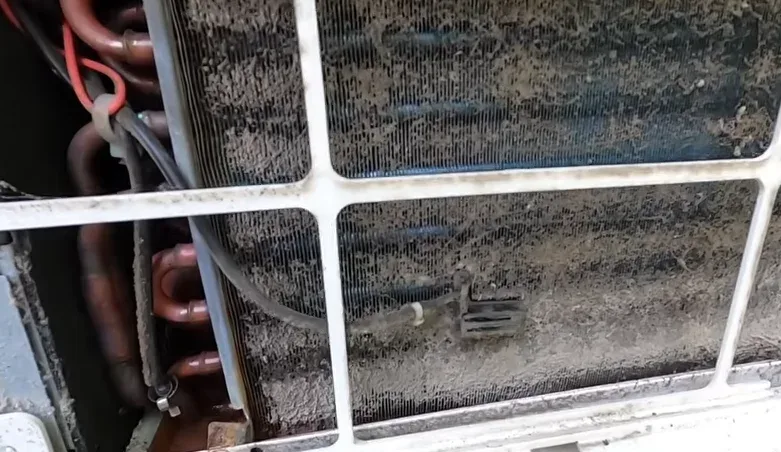
HVAC Mold Removal
What Does HVAC and Duct Mold Removal Involve?
HVAC mold removal means cleaning mold from the parts of the system that get wet, mainly the evaporator coil, drain pan, condensate line, blower and air handler cabinet, then cleaning or replacing ductwork that has actual mold growth, and fixing the moisture problem that caused it. The system is shut down and sealed while the work is done so spores aren’t blown through the house.
The EPA’s guidance is worth knowing before you hire anyone. Duct cleaning isn’t something most homes need routinely. It’s worth considering when there’s substantial visible mold growth inside hard ducts or other system components. And duct insulation or duct board that’s wet or moldy can’t be effectively cleaned; it should be removed and replaced. If the moisture problem isn’t fixed, the mold comes back.
In Sioux Center, that moisture usually comes from summer. When July and August dew points climb into the 70s, the AC pulls gallons of water out of the air every day. If that water doesn’t drain away, or if the coil and ducts run in a damp basement, mold has everything it needs.
Quick answer: Should I just get my air ducts cleaned?
Not until someone confirms there’s actually mold or debris in them and finds the moisture source. The EPA says routine duct cleaning isn’t necessary for most homes. Many musty-AC problems are a clogged drain line or a dirty coil, not the ducts at all.
Warning Signs
What Are the Signs of Mold in Your HVAC System?
Most HVAC mold is out of sight inside the cabinet or ducts. These are the clues that show up in the house.
Musty Smell When the AC Starts
The classic sign. It’s often strongest in the first few minutes of a cooling cycle and fades as the system runs. Musty smell from the AC.
Dark Spots Around Supply Vents
Black specks on the ceiling or wall around registers can be mold, or dust and soot. Condensation on a cold vent in a humid room can also grow mold on the grille itself.
Water Around the Furnace
Puddles under the air handler, a rusty drain pan or a condensate line that’s dripping on the floor.
Symptoms That Ease When You Leave
Stuffy nose, sneezing or itchy eyes that are worse at home, especially in summer when the AC runs. The CDC lists these as common reactions to mold in sensitive people.
Sticky, Humid Air Even With AC
The house feels clammy even though it’s cool, often because the system short-cycles and doesn’t run long enough to pull moisture out.
Visible Growth on the Coil or Blower
When the access panel is off, dark growth on the coil fins, the drain pan or the blower wheel blades.
A musty smell isn’t always the HVAC. The system can also be spreading a smell that starts in the basement or crawl space. Finding the source of a musty smell.
Check It Yourself
What Can You Check Before Calling Anyone?
A few five-minute checks tell you a lot about whether your system has a moisture problem. Turn the system off at the thermostat before opening anything.
Pull the filter
Is it gray and packed, or damp? A dirty filter means dust reaching the coil. A wet one means a drainage or humidity problem.
Find the condensate line
The small PVC or vinyl tube running from the indoor unit to a floor drain or pump. In summer it should drip steadily when the AC runs. No water at all can mean a clog.
Look under the furnace
Water, rust stains or a musty smell at the base of the air handler point to the drain pan.
Check the humidity
An inexpensive hygrometer in the living room and one in the basement. Consistently above 60% in summer means the system or the basement needs help.
Smell test at startup
Stand by a supply vent when the AC kicks on. A musty burst that fades is classic coil or drain pan mold.
When HVAC Mold Problems Show Up
| When | What’s happening | What to do |
|---|---|---|
| April–May | AC starts for the season | Flush the drain line; new filter; note any smell on first start |
| June–August | Peak corn-sweat humidity; coil wet most of the day | Watch for water around the furnace; keep basement humidity under 60% |
| September | Cooling winds down | Good time to clean the coil and fix drainage before next year |
| October–March | Heating season; coil is dry | Humidifier on the furnace? Keep it set low and clean it |
Quick answer: Is the black stuff on my AC vents mold?
Sometimes. It can also be dust or soot pulled onto the grille. If it wipes off as a dry gray smudge and doesn’t come back quickly, it’s likely dust. If it’s fuzzy, comes back after cleaning or the vent sweats in summer, it’s likely mold growing on condensation.
Where It Grows
Where Does Mold Grow Inside a Heating and Cooling System?
Mold grows where the system is wet. In most homes that’s the cooling side, not the furnace.
| Part of the system | Why mold grows there | What fixes it |
|---|---|---|
| Evaporator (A) coil | Cold, wet fins that trap dust all summer | Coil cleaning; check airflow and filter |
| Condensate drain pan | Standing water when the drain is slow or the pan is cracked | Clean, fix slope or replace the pan |
| Condensate line and trap | Algae and sludge clog the line; water backs up | Clear the line; add a cleanout |
| Blower wheel and cabinet | Moist air pulls dust onto the blades, where mold grows | Remove and clean the wheel; HEPA-clean the cabinet |
| Metal ductwork | Condensation on cold ducts in a humid basement or crawl space | Clean if growth is present; insulate cold ducts |
| Lined ducts and duct board | Porous insulation holds moisture and mold | Remove and replace if wet or moldy (EPA) |
| Supply registers and grilles | Condensation in humid rooms | Clean; lower indoor humidity |
Local Causes
Why Do Sioux Center AC Systems Grow Mold?
Northwest Iowa’s humid summers and basement-heavy housing set HVAC systems up for moisture problems.
Corn-Sweat Summers
Iowa’s corn fields push July and August dew points into the 70s. Your AC pulls that water out of the air, and it all has to drain somewhere.
Air Handlers in Damp Basements
Most Sioux Center furnaces and air handlers sit in the basement. If the basement is damp, leaky return ducts pull that damp air, and its spores, straight into the system.
Clogged Condensate Lines
A slow or clogged drain line leaves standing water in the pan all summer. It’s one of the most common causes of AC mold and one of the easiest to fix.
Oversized or Short-Cycling AC
A system that cools the house too quickly shuts off before it removes much humidity, leaving the coil wet and the house clammy.
Dirty or Missing Filters
Dust on a wet coil is food for mold. A clean filter that fits properly keeps most of it out.
Floodwater in Ducts
Floor ducts and basement returns that took water in the June 2024 flood, when the Rock, Floyd and Big Sioux rivers hit record levels, should be checked, and lined ducts replaced.
Our Process
How Do We Remove Mold From an HVAC System, Step by Step?
Seven steps, starting with finding the moisture and ending with a system that runs clean and drains properly.


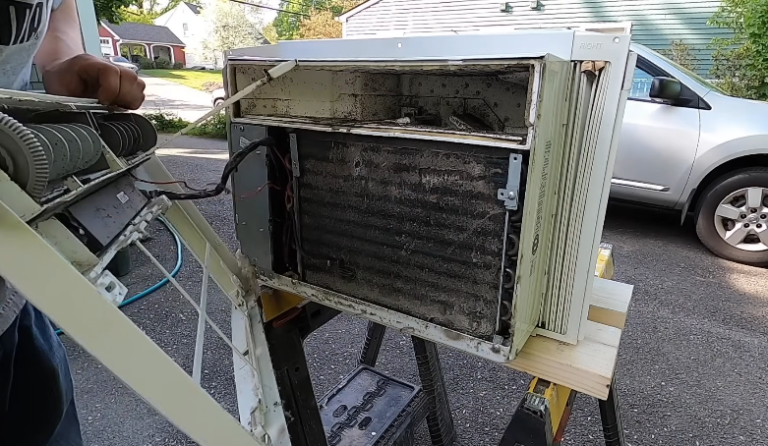
Inspect the System and the House
We open the air handler, check the coil, drain pan, condensate line and blower, look into accessible ducts, and measure humidity in the house and basement.
Why it matters: The goal is to find where it’s wet, not just where it’s dirty.
Written Scope and Price
Which components need cleaning, what should be replaced, the moisture fix, and the price, in writing. If the ducts don’t need cleaning, we’ll tell you.
Why it matters: Many HVAC mold jobs are smaller than people expect.
Shut Down and Seal
The system is turned off, and supply and return registers are sealed so nothing blows through the house during the work. HEPA air scrubbers run in the work area.
Why it matters: Cleaning a running system spreads spores everywhere the ducts go.
Clean the Wet Components
Coil cleaning, drain pan and condensate line cleaning, blower wheel removal and cleaning, and HEPA vacuuming of the cabinet interior.
Why it matters: This is where most HVAC mold actually is.
Clean or Replace Ductwork
Metal ducts with real growth are cleaned under negative pressure following NADCA’s ACR standard. Lined ducts or duct board that are wet or moldy are removed and replaced.
Why it matters: The EPA says porous duct materials with mold can’t be effectively cleaned.
Fix the Moisture Source
Clear and trap the drain line, correct pan slope, seal leaky returns in the basement, insulate sweating ducts, and add a dehumidifier or refer sizing and airflow issues to your HVAC contractor.
Why it matters: Without this, the coil is moldy again by next August.
Verify and Restart
Visual check, photos of every component before and after, then the system is restarted with a new filter. Independent air testing is welcome if you want it.
Why it matters: You see exactly what was found and what was cleaned.
Honest Advice
What HVAC Mold Treatments Should You Avoid?
Avoid anything that promises to kill mold in your system without cleaning it or fixing the moisture: ozone generators, whole-house fogging, and sprays or sealants pumped into dirty ducts.
- Ozone generators: the EPA says ozone is a lung irritant and ozone generators sold as air cleaners don’t effectively remove mold. Ozone, foggers and mold
- Fogging the ducts: doesn’t remove growth or the dust it feeds on
- Sealants or biocides sprayed into uncleaned ducts: the EPA says any product used in ducts should be registered for that use and applied only after cleaning
- “$99 whole-house duct cleaning” ads: often a bait-and-switch; real component cleaning takes hours
- Duct cleaning with no moisture fix: the mold comes back next summer
What Actually Works
Physically cleaning the wet components, replacing porous duct materials that are moldy, and keeping indoor humidity under 60% (EPA). It’s less dramatic than a fogger, but it’s the fix that lasts. EPA guidance: Should you have the air ducts in your home cleaned?

Quick answer: How do I know the HVAC mold is really gone?
Photos of every component before and after, a system that drains properly, and humidity that stays under 60%. For extra confidence, independent air sampling after the work compares indoor air to outdoor air. Post-remediation verification.
Prevention
How Do You Keep Mold Out of Your AC and Ducts?
Keeping the system dry and clean is cheaper than cleaning it. These six habits cover most of it.
Change Filters on Schedule
A good pleated filter, replaced as the manufacturer recommends. The EPA suggests the highest-efficiency filter your system can handle, up to MERV 13.
Flush the Condensate Line
Check the drain line each spring before the AC season and after heavy summer use.
Dehumidify the Basement
Keep the basement where your furnace sits under 60% humidity from May through September.
Seal Basement Return Leaks
Gaps in return ducts and the furnace cabinet pull damp basement air into the system.
Annual HVAC Tune-Up
A contractor checks refrigerant charge, airflow and the coil. A properly running system removes more humidity.
Run the Fan on Auto
Running the blower continuously in summer can re-evaporate water from a wet coil back into the house.
Cost
How Much Does HVAC Mold Removal Cost?
HVAC mold cost depends on which components have growth, whether ducts need cleaning or replacement, and access. These are 2026 national ranges.
Coil, Pan and Drain Only
Lower endWhen the mold is limited to the wet components and the ducts are clean. Often the whole fix.
HVAC System Mold
$2,000–$10,000Component cleaning plus duct cleaning or replacement (HomeGuide $2,000–$10,000; Angi $3,000–$10,000).
With House Mold Too
MoreIf the system spread spores from a moldy basement, the house source is part of the scope. Whole-house mold remediation.
Quick answer: Does insurance cover mold in air ducts?
Usually not when it comes from normal condensation or humidity. It may be covered if a sudden, covered event like a burst pipe or flooding damaged the system. Mold remediation cost in Sioux Center.
Musty smell every time the AC kicks on? Call and we’ll find where it’s coming from.
FAQ
HVAC & Duct Mold Removal: Frequently Asked Questions
Straight answers about AC and duct mold for Sioux Center homeowners.
Why does my AC smell musty?
Usually because water is sitting somewhere it shouldn’t: a clogged condensate line, a dirty wet coil, a slow drain pan or ducts sweating in a humid basement. The smell is often strongest when the AC first starts.
Do I need my ducts cleaned for mold?
Only if there’s actual mold growth in them. The EPA says routine duct cleaning isn’t necessary for most homes, and lined ducts or duct board that are moldy should be replaced rather than cleaned.
Can mold in the HVAC make me sick?
The CDC says mold can cause stuffy nose, sneezing, itchy eyes and wheezing in sensitive people and can trigger asthma. Because the HVAC moves air through the whole house, mold in the system is worth fixing promptly.
How much does HVAC mold removal cost?
About $2,000 to $10,000 nationally in 2026 for system mold with duct work. Jobs limited to the coil, drain pan and condensate line cost less.
Do ozone generators kill mold in ducts?
They’re not a fix. The EPA says ozone generators don’t effectively remove mold and ozone is a lung irritant. The growth and the dust it feeds on have to be physically cleaned.
How often should I change my furnace filter?
Follow the filter maker’s recommendation, and check it monthly during heavy AC use. The EPA suggests using the highest-efficiency filter your system can handle, up to MERV 13.
Can you clean mold from a window AC unit?
Window and wall units grow mold on the coil, pan and blower wheel like central systems. Some can be taken apart and cleaned; older or heavily contaminated units are often cheaper to replace.
Will cleaning the ducts fix a musty basement?
No. If the basement is damp, the HVAC is just spreading the smell. Fix the basement moisture first, then clean the system if it has growth.
How long does HVAC mold removal take?
Component cleaning usually takes part of a day. Adding duct cleaning or replacement can take a full day or more depending on the house.
Do you work with HVAC contractors?
Yes. We handle the mold removal and moisture fixes; refrigerant, equipment sizing and replacement go to your HVAC contractor.
Get Your System Checked
Musty Air From the Vents? Call Us Today
Tell us what you’re smelling or seeing and when it happens. We’ll tell you whether it sounds like the coil, the drain, the ducts or the basement, and what it usually costs to fix. Same-day response in Sioux Center and 35 nearby towns.
Siouxland Mold Solutions
- Office529 4th St NW, Sioux Center, IA 51250
- Phone(712) 569-1887
- EmailContact@moldremovalsiouxcenter.com
- HoursCall anytime, 24/7, including emergencies
- ResponseSame-day across Sioux Center and our service area