

Whole-House Mold Remediation · Sioux Center, IA
Whole-House Mold Remediation in Sioux Center, IA
When mold has spread beyond one room, after a flood, a long-running leak, a winter pipe break in an empty house, or a moldy basement feeding the HVAC, Siouxland Mold Solutions plans and carries out whole-house mold remediation in phases: containment zone by zone, HVAC isolated and cleaned, moldy materials removed, the structure dried, contents sorted and every area verified before it’s closed.
A whole-house job is a big decision. Before anything else, we’ll tell you honestly whether you need one or whether a targeted fix will do.
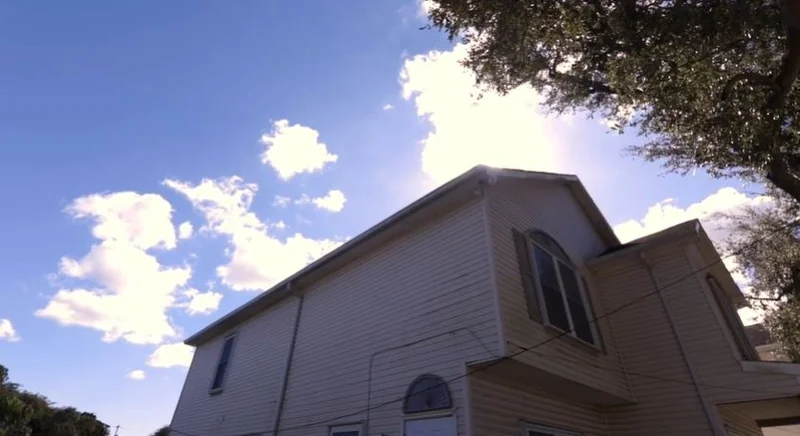
Whole-House Remediation
What Is Whole-House Mold Remediation?
Whole-house mold remediation is a planned, phased project to remove mold from several areas of a home at once, usually the basement or crawl space, one or more living areas and the HVAC system, while controlling cross-contamination between them, fixing every moisture source, and verifying each area before it’s rebuilt.
It’s not the same as “treating the whole house.” Fogging every room doesn’t remove anything. Real whole-house remediation follows ANSI/IICRC S520: find where the mold is growing (what S520 calls Condition 3), remove it under containment, clean the areas where spores have settled (Condition 2), and bring the whole home back to normal background levels (Condition 1).
Most homes don’t need it. Most mold problems are one basement wall, one bathroom or one attic, and a targeted job fixes them. Whole-house work makes sense when the moisture event was big, lasted a long time, or the HVAC system has been spreading spores from one area to the rest.
Quick answer: How do I know if my whole house needs mold remediation?
When growth is in several rooms or levels, the HVAC system has mold or has been running through a moldy area, the home sat wet for weeks after a flood or pipe break, or musty odors are throughout the house. A moisture inspection of every level answers it before you commit to anything.
Do You Need It?
Do You Need Whole-House Remediation or a Targeted Fix?
We’ll give you the honest answer, even when it’s the smaller job. Here’s how we usually decide.
| What we find | What it usually means | Why |
|---|---|---|
| Mold in one area (one wall, one bathroom, part of the attic) | Targeted remediation | Contain and fix that area only |
| Mold in the basement plus a musty smell upstairs | Targeted + HVAC check | The furnace may be spreading odor, not mold |
| Growth in several rooms or on more than one level | Whole-house, phased | Multiple sources or long-term moisture |
| HVAC coil, pan or ducts with mold, plus mold in the house | Whole-house including HVAC | The system has been moving spores between areas |
| Home flooded or sat wet for weeks | Whole-house, often with water damage restoration | Wet materials on every affected level |
| Vacant home after a winter pipe break | Whole-house assessment first | Water may have run for days before anyone knew |
Common Situations
When Does a Northwest Iowa Home Need Whole-House Mold Remediation?
These are the situations where mold typically spreads beyond a single area.
After a Major Flood
Homes that took water in the June 20–22, 2024 flood, when the Rock River hit 27.7 ft at Rock Valley against a 22.7 ft record, often had wet materials on more than one level and HVAC equipment in the water.
Vacant Home, Frozen Pipe
With January lows near 9°F and a record of −37°F, a pipe that splits in an empty house or seasonal property can run for days, soaking floors, walls and ceilings below.
Long-Running Roof or Plumbing Leak
A slow leak inside a wall or ceiling after hail, like the June 29–30 and September 1, 2026 storms, can spread through several rooms before a stain shows.
Moldy Basement Feeding the HVAC
Most furnaces here sit in the basement. When a moldy basement is next to leaky return ducts, the system can carry spores and odor to every room.
Inherited or Older Farmhouses
Older homes and farmhouses that sat closed up, with stone foundations, crawl spaces and no ventilation, often have mold on several levels.
Rental Turnovers
A rental where leaks and humidity went unreported for a year or two can need work in the basement, bathrooms and bedrooms at once.
Phased Work
How Is Whole-House Mold Remediation Phased?
We work zone by zone, starting with the HVAC and the source of the moisture, so clean areas stay clean and you can keep using part of the house. A typical order:
| Phase | What happens | Why in this order |
|---|---|---|
| Phase 1 | HVAC shut down and sealed; worst area contained | Stops spores from moving while work starts |
| Phase 2 | Remove and clean the source areas (usually basement or crawl space) | Most of the growth and moisture is here |
| Phase 3 | Remove and clean affected living areas, room by room | Lets you keep using clean parts of the house |
| Phase 4 | HVAC components cleaned; lined or moldy ducts replaced | Done after the house sources are gone, so it isn’t recontaminated |
| Phase 5 | Fine cleaning of settled dust (Condition 2 areas) | HEPA vacuum and damp wipe of surfaces where spores settled |
| Phase 6 | Drying, verification and rebuild | Each zone confirmed before it’s closed up |
Every zone gets its own containment and HEPA negative air. How containment and negative air work.
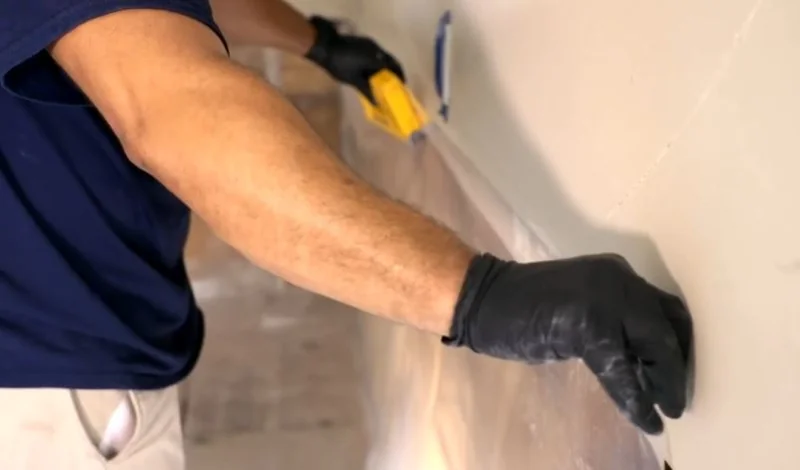
Quick answer: Can we live in the house during whole-house remediation?
Sometimes, if the kitchen, a bathroom and bedrooms can be kept outside the work zones. Families with infants, someone with asthma or a weakened immune system, or a job that includes the main living level often stay elsewhere for part of it. Staying home during mold remediation.
Our Process
How Do We Remediate an Entire House, Step by Step?
Nine steps under ANSI/IICRC S520, from the first inspection to a documented closeout.

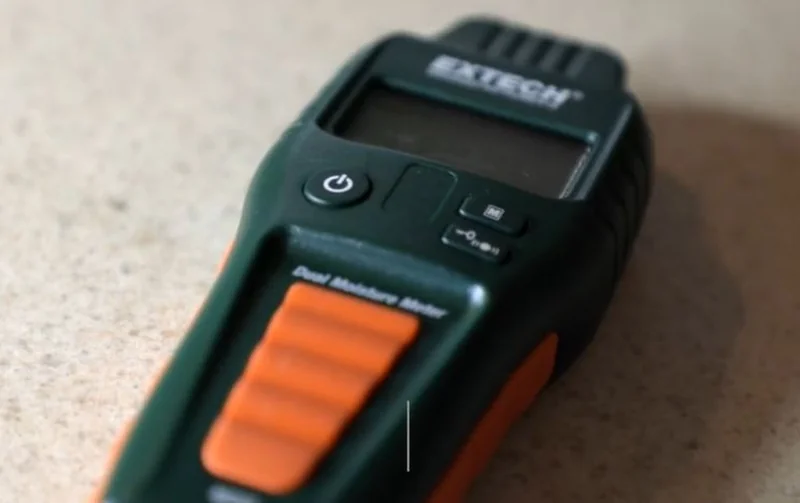

Whole-Home Inspection
Moisture mapping of every level with meters and thermal imaging, an HVAC inspection, humidity readings, and a room-by-room photo record.
Why it matters: You can’t plan a whole-house job without seeing the whole house.
Written Plan, Phases and Price
Zones, phases, schedule, who can stay where, contents plan, moisture fixes and price, in writing, with each phase itemized.
Why it matters: A big job needs a clear plan you can review with family, a lender or an adjuster.
Contents Plan
Belongings are sorted: items to clean and keep, items to move out of the work zones, and porous items too damaged to save. We photograph what’s discarded.
Why it matters: Protects what you’re keeping and documents what you’re losing for insurance.
HVAC Isolation and Containment
The HVAC is shut down and sealed, and the first zone is contained with HEPA negative air.
Why it matters: Stops the system from spreading spores during removal.
Remove and Clean, Zone by Zone
Moldy drywall, insulation, carpet and trim removed and bagged; framing and hard surfaces HEPA-vacuumed and cleaned, one zone at a time.
Why it matters: Working in order keeps finished zones clean.
Fix Every Moisture Source
Plumbing, roof, grading, sump, ventilation and humidity problems corrected or referred to the right trade.
Why it matters: Whole-house mold always has more than one reason. Each one has to be fixed.
HVAC Cleaning
Coil, drain pan, blower and cabinet cleaned; lined or moldy ducts replaced; filters upgraded.
Why it matters: Done after the house sources are gone, so it stays clean.
Dry and Verify
Drying to verified readings, final cleaning of settled dust, visual checks and photos for every zone. Independent clearance testing is welcome.
Why it matters: Each area is confirmed before it’s rebuilt.
Closeout
A summary of everything found and done, with photos and readings, for your records, your insurer or a future buyer.
Why it matters: Iowa Code 558A disclosures are easier with a clean record.
Your Belongings
What Happens to Your Belongings During Whole-House Mold Remediation?
Most of what you own can be kept. Here’s the usual sorting. When in doubt, we’ll help you decide item by item.
| Type of item | Examples | What usually happens |
|---|---|---|
| Hard, non-porous items | Glass, metal, hard plastic, ceramics | Cleaned and kept |
| Solid wood furniture | Tables, dressers, chairs | Usually cleaned and kept unless warped or rotted |
| Washable fabrics | Clothing, bedding, curtains | Often saved with laundering |
| Upholstered furniture and mattresses | Couches, recliners, mattresses | Discarded if moldy or soaked by contaminated water |
| Paper and cardboard | Boxes, books, files | Usually discarded; important documents can sometimes be copied or restored by a specialist |
| Electronics | TVs, computers | Wiped and kept if dry; flood-soaked electronics usually replaced |
Quick answer: Do I have to throw out everything after mold?
No. Hard, non-porous items can almost always be cleaned. The things that usually go are porous items that are visibly moldy or were soaked by contaminated water. Cleaning belongings after mold.
Timeline
How Long Does Whole-House Mold Remediation Take?
Most whole-house jobs take one to three weeks before rebuild, depending on the size of the home, how many zones are involved and how wet the structure is. Phases overlap where they can.
| Stage | Typical time |
|---|---|
| Inspection and plan | 1–2 days |
| Contents sorting and pack-out | 1–3 days |
| Removal and cleaning, per zone | 1–3 days each |
| Drying | 3–5 days per wet zone, often overlapping |
| HVAC cleaning | Usually 1 day |
| Verification | 1–3 days, depending on testing |
| Rebuild | Depends on your contractor and scope |
How You’ll Know It’s Done
- Every zone passes a visual inspection with no visible growth or residue
- Moisture readings in every zone match dry materials
- No musty odor
- Independent clearance testing, if you choose it
- A closeout report with before-and-after photos
Cost
How Much Does Whole-House Mold Remediation Cost?
Whole-house remediation is the biggest mold job there is. These are 2026 national ranges; your written price is itemized by phase so you see where the money goes.
Whole House
$10,000–$30,000Angi’s 2026 range; HomeGuide lists $15,000–$30,000.
HVAC Portion
$2,000–$10,000When the system needs component cleaning and duct work (2026 national range).
By the Square Foot
$10–$25Typical remediation cost per square foot of affected area, before rebuild.
Insurance and Documentation
Whole-house jobs usually follow a big water event, so the insurance question matters. Mold from a sudden, covered event like a burst pipe is more likely to be covered, often up to a mold limit; flood needs separate flood insurance. We give you dated photos, readings, a contents list and an itemized scope. Mold remediation cost in Sioux Center.
Whole-House Red Flags
- “Whole-house fogging” or ozone sold as remediation
- A whole-house quote with no inspection of every level
- No phasing or contents plan
- No moisture fixes in the scope
- Clearance done only by the company that did the work
Mold in more than one part of the house? Call for an honest whole-home assessment.
FAQ
Whole-House Mold Remediation: Frequently Asked Questions
Straight answers for families facing mold in more than one part of the house.
What is whole-house mold remediation?
A planned, phased project to remove mold from several areas of a home at once, including the HVAC if needed, with containment between zones, every moisture source fixed and each area verified before rebuild.
How much does whole-house mold remediation cost?
About $10,000 to $30,000 nationally in 2026 (Angi), with HomeGuide listing $15,000 to $30,000. The price depends on the number of zones, how much material comes out, HVAC work and contents.
How long does it take?
Usually one to three weeks before rebuild, depending on the home’s size, the number of zones and how wet the structure is.
Do we have to move out?
Not always. If a kitchen, bathroom and bedrooms can stay outside the work zones, many families stay. Infants, people with asthma or weakened immune systems, or work on the main living level are reasons to stay elsewhere for part of the job.
Can whole-house fogging replace remediation?
No. Fogging doesn’t remove mold growth from drywall, insulation or wood, and the EPA doesn’t recommend biocides as a routine part of mold cleanup. Moldy materials have to be removed and surfaces cleaned.
Will my HVAC system need to be cleaned?
If it has mold on the coil, pan, blower or ducts, or ran through a moldy area, yes. It’s usually cleaned after the house sources are removed so it isn’t recontaminated.
What happens to our furniture and belongings?
Hard, non-porous items are cleaned and kept. Porous items that are moldy or soaked by contaminated water usually have to go. We help you sort and document everything.
How do we know the whole house is clean?
Each zone is checked visually and with moisture readings, and independent clearance testing is welcome. You get a closeout report with photos.
Does insurance cover whole-house mold remediation?
Only when the mold came from a sudden, covered event, and often up to a separate mold limit. Floods need flood insurance. Long-term leaks and humidity are usually excluded.
Do we need whole-house work or just one area fixed?
Most homes need a targeted fix. We inspect every level and tell you honestly which one you need before you commit to anything.
Whole-Home Assessment
Mold in More Than One Room? Let’s Look at the Whole House
Tell us where you’re seeing or smelling mold and what happened to the house. We’ll inspect every level and tell you whether you need a targeted fix or a phased whole-house plan, what it takes and what it costs. Same-day response in Sioux Center and 35 nearby towns.
Siouxland Mold Solutions
- Office529 4th St NW, Sioux Center, IA 51250
- Phone(712) 569-1887
- EmailContact@moldremovalsiouxcenter.com
- HoursCall anytime, 24/7, including emergencies
- ResponseSame-day across Sioux Center and our service area