

Sewage Backup Cleanup · Sioux Center, IA
Sewage Backup & Mold Cleanup in Sioux Center, IA
When sewage comes up through a floor drain, toilet or shower, Siouxland Mold Solutions handles the cleanup as Category 3 contaminated water: extraction, removal of everything porous it touched, cleaning and sanitizing, structural drying, and mold remediation if it’s already started. Calls answered 24/7, same-day response in Sioux Center and 35 nearby towns.
Keep kids and pets out of the area, don’t run the washer or flush toilets, and call. We’ll tell you what to do while we’re on the way.
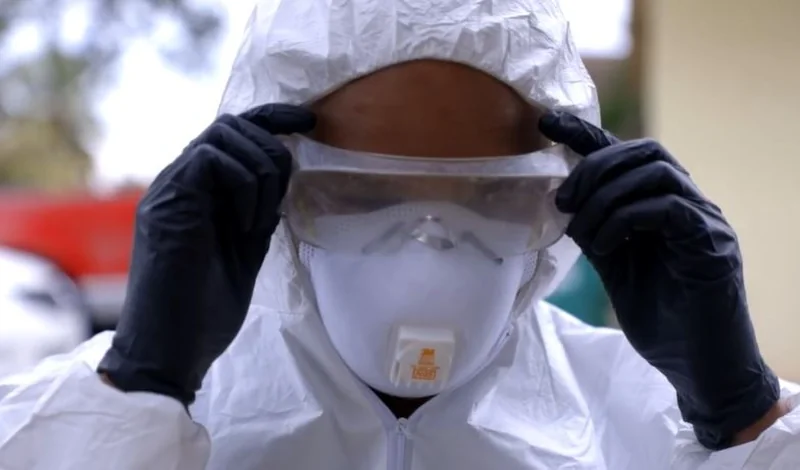
Sewage Backup Cleanup
What Is Involved in Sewage Backup Cleanup?
Sewage backup cleanup means removing the sewage and contaminated water, tearing out porous materials it touched (carpet, pad, drywall, insulation), cleaning and sanitizing every hard surface, drying the structure to verified moisture readings, and removing any mold that grew while it was wet.
Sewage is Category 3 water under IICRC S500, the water damage standard. It carries bacteria, viruses and parasites, and it soaks deep into anything porous. That’s why the rules are stricter than for a clean pipe leak: materials that could be dried and kept after a supply-line break have to come out after a sewer backup.
It’s also a mold problem waiting to happen. A basement that sat wet with sewer water for a weekend has all three things mold needs: moisture, food and time. If mold has started, the job follows ANSI/IICRC S520 as well.
Quick answer: Is sewage backup dangerous?
Yes, it should be treated as a health hazard. Sewage can carry bacteria, viruses and parasites. Keep children, pregnant family members, older adults and anyone with a weakened immune system away from the area, and don’t clean it without waterproof gloves, boots, goggles and an N95 or better respirator.
Right Now
What Should You Do When Sewage Backs Up Into Your Basement?
The first hour is about safety and keeping it from getting worse. Here’s the order to work in.
Stop Using Water
Don’t flush, shower, run the dishwasher or do laundry. Every gallon you send down the drain can come back up in the basement.
Keep People and Pets Out
Close off the area. Kids and pets especially should stay away from the water and anything it touched.
Protect Yourself
Rubber boots, waterproof gloves, goggles and an N95 or better respirator if you have to go in. Wash hands thoroughly afterward.
Power Off in Wet Areas
If water is near outlets, the furnace or the electrical panel, turn off power only if you can do it from a dry spot. Otherwise wait.
Photos Before Cleanup
Photograph the drain, the water level and damaged items. Your insurance adjuster will want them.
Call the City and Us
If neighbors are backing up too, the city main may be blocked; report it to the city. Then call us for the cleanup.
Causes
Why Do Sewers Back Up Into Sioux Center Basements?
Most backups come from one of six things. Knowing which one caused yours matters, both for the fix and for insurance.
Heavy Rain Overloads the Sewer
During big storms, stormwater gets into sanitary sewers and the lines can’t keep up. The lowest opening in the system, often a basement floor drain, is where it comes out. Across northwest Iowa, sewers backed up during the June 2024 flood (Messenger News).
Sump Pumps Tied Into the Sewer
The City of Sioux Center prohibits connecting sump pumps to the sanitary sewer because it overloads the system and causes overflows. One illegal connection can back up a neighbor’s basement. Sump pump failure and mold.
Roots in Older Lines
About 13% of Sioux Center homes were built before 1950. Older clay-tile sewer laterals crack and let tree roots in, and roots catch everything else.
Clogs From Inside the House
Grease, “flushable” wipes and paper towels build up in the line until a backup happens, often at the worst time.
Septic Systems on Acreages
Farms and acreages on septic can see backups when the tank is full, the drain field is saturated in a wet spring, or the line is blocked.
Main Line Blockages
If several houses on the street back up at once, the city main may be the problem. Report it to the city right away.
Quick answer: Who’s responsible for a sewer backup: me or the city?
It depends on where the blockage is. A problem in the city’s main line is the city’s to fix; a blockage in the service line between your house and the main is usually the property owner’s. Call the city first if neighbors are backing up too. The cleanup inside your house is typically handled through your own insurance either way.
Water Categories
Why Is Sewage Cleanup Different From a Regular Water Leak?
IICRC S500 sorts water damage into three categories. Sewage is always the worst one, and the category decides what can be saved.
| Category | Common sources | What it means for your basement |
|---|---|---|
| Category 1: clean water | Burst supply line, water heater, clean sump overflow | Often dried in place if caught fast |
| Category 2: gray water | Washer or dishwasher overflow, some sump water | Pad removed; carpet sometimes saved; sanitize |
| Category 3: black water | Sewer backup, toilet overflow with waste, floodwater | Porous materials removed; everything cleaned and sanitized |
What Can Be Saved After a Sewer Backup?
| Material | What usually happens |
|---|---|
| Carpet and pad | Removed and discarded |
| Drywall and insulation | Removed above the wet line |
| Wood framing and subfloor | Cleaned, sanitized and dried; replaced if soft |
| Concrete floor and block walls | Cleaned, sanitized and dried |
| Upholstered furniture, mattresses | Usually discarded |
| Hard plastic, metal, glass | Washed and disinfected |
| Clothing and washable fabrics | Sometimes saved with hot-water laundering |
| Paper, cardboard, books | Usually discarded |
Quick answer: Can carpet be cleaned after a sewer backup?
No. Carpet and pad soaked by sewage are Category 3 contaminated and should be removed and discarded. Cleaning them in place leaves contamination in the backing and pad, and the smell usually comes back.
Quick answer: Can drywall be saved?
Drywall that sewage touched should be cut out above the wet line. The paper and gypsum absorb contamination that cleaning can’t reach. Why porous materials are treated this way: porous materials and mold.
Our Process
How Do We Clean Up a Sewage Backup, Step by Step?
Eight steps under IICRC S500 for contaminated water, and ANSI/IICRC S520 when mold is involved.
Assess and Document
We confirm the source is stopped, check electrical safety, identify the water category and photograph everything before removal.
Why it matters: Your claim and your scope both start from this record.
Written Scope and Price
What comes out, how the area is contained, how long drying takes and the cost, in writing before any tear-out.
Why it matters: You know what you’re paying for before we start.
Contain and Protect
The work area is sealed off with plastic, the HVAC return near it is closed, and HEPA air scrubbers run so odors and contamination stay in the basement.
Why it matters: Sewage cleanup shouldn’t make the rest of the house smell like the basement.
Extract and Remove
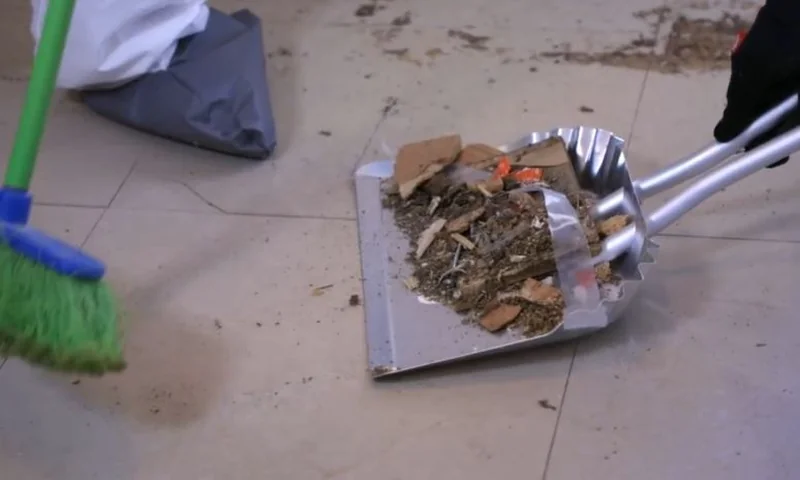
Sewage and water are extracted, then carpet, pad, drywall, insulation and contaminated contents are bagged and hauled out.
Why it matters: Contaminated materials left in place keep smelling and keep growing mold.
Clean and Sanitize
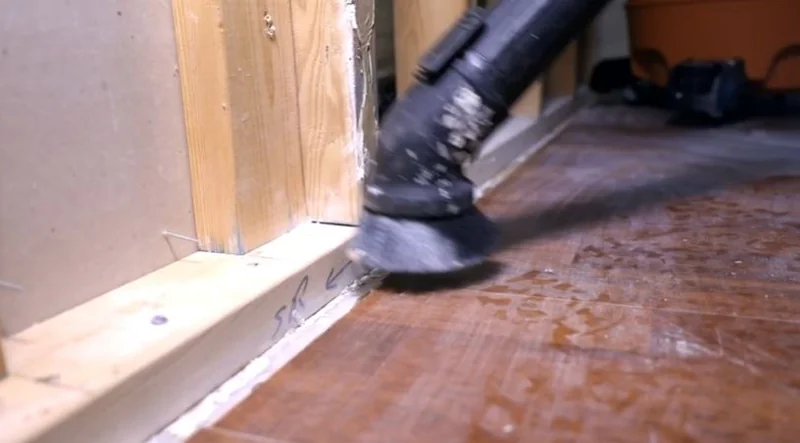
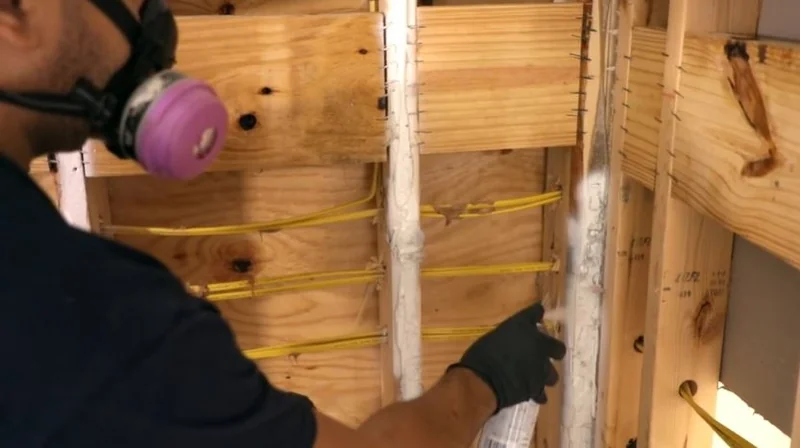
Every remaining surface is cleaned to remove residue, then sanitized. Framing and concrete are HEPA-vacuumed and washed before any antimicrobial goes on.
Why it matters: Sanitizer doesn’t work on a dirty surface. Cleaning comes first.
Dry to Verified Readings
Dehumidifiers and air movers run until wood and concrete readings are close to dry materials elsewhere in the house, logged daily.
Why it matters: Closing up a damp basement after a backup is how mold ends up behind the new drywall.
Mold Check and Remediation
We check for mold that started while the area was wet and remove it under containment, following ANSI/IICRC S520.
Why it matters: A backup that sat over a weekend often has early growth on the drywall paper.
Verify and Rebuild
Final readings and before-and-after photos, then drywall, flooring and finishes go back in. Independent clearance testing is welcome.
Why it matters: You get a basement that’s clean, dry and documented.
Containment, air filtration and verification in detail: our mold remediation process.
Local Conditions
When Do Sewer Backups Happen Around Sioux Center?
Most sewer backups here happen during heavy spring and early summer storms, when rain and snowmelt find their way into sanitary lines that weren’t built to carry it. Sioux Center averages about 29.9 inches of precipitation a year, and May and June are the wettest months (NOAA 1991–2020 normals). The June 2024 flood showed what happens when the whole system is overwhelmed at once.
| When | What’s happening | What to do |
|---|---|---|
| March–April | Snowmelt and saturated ground; sumps running constantly | Make sure your sump discharges outside, not into a floor drain or laundry tub |
| May–June | Wettest months (about 4.2 and 4.5 in); heaviest storms | Peak backup season; watch the floor drain during big rains |
| July–August | Thunderstorms and humid basements | Dry quickly after any backup; humidity speeds up mold |
| Year-round | Roots, grease and wipes in older lines | Camera inspection if backups keep happening |
What Homeowners Run Into
- A cleaning company shampoos the carpet and the smell is back in a week
- The basement is “cleaned” but the drywall bottoms stay wet and grow mold
- Nobody finds out why it backed up, so it happens again in the next storm
- The insurance claim stalls because nothing was photographed before tear-out
What We Do Instead
Everything contaminated comes out, everything left is cleaned and sanitized, and the space is dried to readings before it’s closed. We also tell you what likely caused the backup and who to call to fix it, whether that’s the city, a plumber or a septic contractor.
Insurance
Does Homeowners Insurance Cover a Sewer Backup in Iowa?
Usually only if you added a water backup (sewer and drain backup) endorsement to your homeowners policy. Standard policies commonly exclude water that backs up through drains or overflows a sump. Flood insurance is a separate policy and generally covers surface flooding, not a backup caused by a blocked line.
- Call your agent and ask specifically about “water backup” coverage and its limit
- Photograph everything before it’s removed
- Keep damaged items or samples until the adjuster says otherwise
- Ask whether your policy has a separate, lower limit for mold
- Keep every receipt, including for hotel stays if you had to leave
We give you dated photos, daily moisture readings and a written scope with quantities, which is what adjusters ask for. We can’t promise what your policy pays. Sewer backup, flood insurance and mold.
Quick answer: Is a sewer backup the same as a flood for insurance?
No. Flood is surface water coming in from outside. A sewer backup is water coming up through your drains. They’re usually covered by different policies or endorsements, so check which one you have before the next storm.
Cost
How Much Does Sewage Backup Cleanup Cost?
Sewage cleanup costs more per square foot than a clean water leak because more has to come out and everything has to be sanitized. These are 2026 national figures.
Per Square Foot
$7–$15+Typical sewage cleanup cost per square foot (HomeGuide, 2026). Angi’s Category 3 average is about $7.50.
Most Backups
$2,000–$15,000+Most residential sewer backups, depending on the area and what’s finished (HomeGuide, 2026).
Backwater Valve
PreventionA plumber-installed backwater valve on the floor drain line costs far less than one Category 3 cleanup.
What Changes the Price
- Square feet affected, and whether the basement is finished
- How long the sewage sat before cleanup
- Amount of contents to remove and dispose of
- Whether mold has already started
- Rebuild scope (drywall, flooring, trim)
Red Flags in a Sewage Cleanup Quote
- Carpet “cleaned and saved” after sewage
- Spraying or fogging offered instead of removal
- No mention of drying readings
- No containment for a finished basement
- Pressure to sign before you’ve talked to your insurer
Sewer backup this morning? The sooner it’s out, the less has to come out with it.
Prevention
How Do You Prevent Sewer Backups in a Northwest Iowa Basement?
Most backups happen in May and June storms, Sioux Center’s wettest months. These six steps handle most of the risk.
Install a Backwater Valve
A backwater valve (backflow preventer) lets water leave the house but closes when the sewer pushes back. A licensed plumber installs it.
Keep the Sump Out of the Sewer
Sioux Center prohibits sump connections to the sanitary sewer. Discharge to the yard or storm system protects you and your neighbors.
Camera the Line in Older Homes
If your home is older or has big trees near the line, a plumber’s camera inspection shows roots and cracks before they cause a backup.
Nothing but Toilet Paper
No wipes, grease, paper towels or “flushable” anything. They don’t break down in the line.
Store Off the Floor
Plastic bins on shelves near the floor drain, not cardboard boxes. Keep valuables upstairs.
Check Your Endorsement
Ask your agent about water backup coverage before spring storm season, and what the limit is.
Quick answer: Do you also handle flood cleanup?
Yes. River and storm floodwater is also Category 3 and gets the same treatment. Flood mold cleanup. For clean-water leaks like a burst pipe, see water damage restoration.
FAQ
Sewage Backup Cleanup: Frequently Asked Questions
Straight answers for Sioux County homeowners dealing with a sewer or floor-drain backup.
How soon should sewage backup be cleaned up?
Right away. Sewage is a health hazard, and mold can start on wet materials within 24 to 48 hours (EPA). Calls are answered 24/7, and we offer same-day response.
Can I clean up a sewer backup myself?
A very small backup on bare concrete, cleaned quickly with full protective gear, is sometimes manageable. Anything involving carpet, drywall, finished areas or more than a small puddle should be handled by professionals because of the contamination and mold risk.
Does bleach disinfect after a sewer backup?
Disinfectants only work after surfaces are cleaned. Bleach doesn’t make porous materials like carpet and drywall safe to keep. Remove those, clean hard surfaces, then sanitize and dry.
Is it safe to stay in the house?
Usually, if the backup is limited to the basement and the area is sealed off. Keep kids, pregnant family members, older adults and anyone with a weakened immune system away from the affected area until it’s cleaned.
Will insurance pay for sewer backup cleanup?
Usually only if you have a water backup endorsement. Standard homeowners policies commonly exclude it, and flood insurance generally doesn’t cover a backup from a blocked line.
How long does sewage cleanup take?
Extraction, removal and cleaning usually take 1 to 2 days. Drying takes another 3 to 5 days in most basements. Rebuild comes after readings confirm it’s dry.
What causes sewer backups during heavy rain?
Stormwater gets into overloaded sanitary sewers, often through illegal sump pump connections or cracked lines, and the water comes out at the lowest opening, usually a basement floor drain.
Can mold grow after a sewer backup?
Yes. Wet drywall, carpet and wood after a backup can grow mold within 24 to 48 hours. We check for mold before anything is rebuilt.
Do you handle septic backups on farms?
Yes. Septic backups are Category 3 like any sewage. We clean up inside the house; the tank or drain field itself needs a septic contractor.
Do you serve towns outside Sioux Center?
Yes. We serve 35 towns in Sioux, Lyon, Plymouth, O’Brien and Osceola counties, including Orange City, Hull, Rock Valley, Hawarden, Sheldon and Le Mars.
Sewer Backup Help
Sewage in the Basement? Call Us Now
Tell us where it came up, how much there is and how long it’s been there. We’ll tell you what to do right now and get a crew headed your way the same day. Cleanup, sanitizing, drying and mold remediation under one written scope.
Siouxland Mold Solutions
- Office529 4th St NW, Sioux Center, IA 51250
- Phone(712) 569-1887
- EmailContact@moldremovalsiouxcenter.com
- HoursCall anytime, 24/7, including emergencies
- ResponseSame-day across Sioux Center and our service area