

Our Process · Sioux Center, Iowa
Our Mold Remediation & Water Damage Restoration Process in Sioux Center, IA
This is exactly what happens from the moment you call to the day we hand you the final photos. No mystery steps, no spray-and-go shortcuts. Every mold removal, mold remediation and water damage restoration job we do in Sioux County follows the same order: find the water, contain the area, remove what’s damaged, dry it, prove it, and fix the cause.
Mold on the wall, water on the floor or just a smell you can’t place? Call us anytime and we’ll start with step one on the phone.
The Short Version
How Does Our Mold Remediation Process Work?
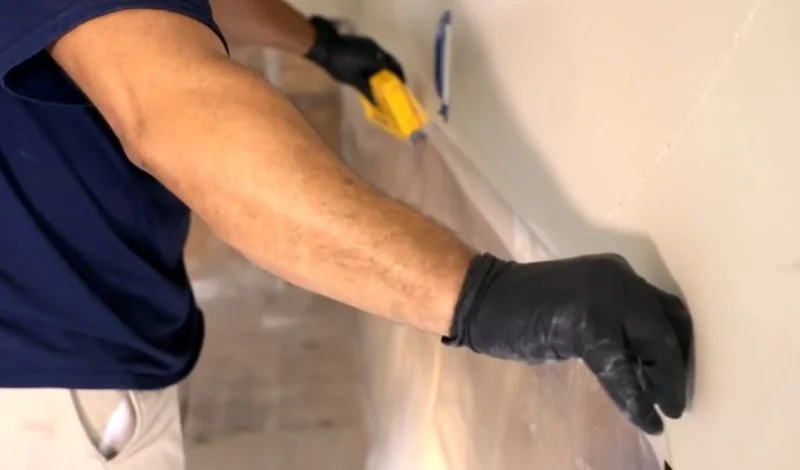
Our mold remediation process has nine steps: a phone triage, a same-day inspection with moisture mapping, a written scope and estimate, containment under negative air, removal of damaged materials, HEPA vacuuming and cleaning, drying to normal moisture readings, verification with a dated photo report, and finally fixing the moisture source and rebuilding. It follows ANSI/IICRC S520, the industry standard of care for professional mold remediation (4th edition, 2024).
Water damage restoration runs on the same logic but starts faster, because the clock is running. Mold can start growing on wet drywall, carpet and wood within 24 to 48 hours (EPA), so for water we extract, dry and document first, following IICRC S500.
Most of the difference between a job that lasts and one that fails comes down to two things people can’t see: whether the area was sealed off before anything was torn out, and whether the moisture source was actually fixed. Both are built into every step below.
Mold Remediation
Our 9-Step Mold Remediation Process, Step by Step
The same nine steps on every mold job, whether it’s a small bathroom wall in town or a full basement on an acreage outside Hull.
Step 1: Quick Phone Triage
You call, day or night, and we ask the questions that decide what the crew brings: what you’re seeing, where it is, how long it’s been there, whether the water was clean or came from a floor drain or flood, and whether anyone at home has asthma, allergies or a weakened immune system. If there’s standing water, we’ll tell you right then how to stay safe and what to shut off.
Why it matters: The wrong assumptions on the phone mean the wrong equipment at the door and a second trip.
Step 2: Same-Day Inspection and Moisture Mapping
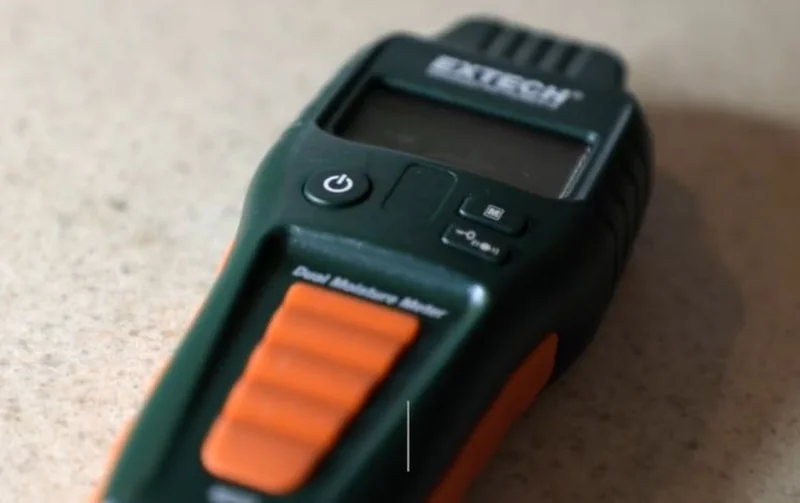
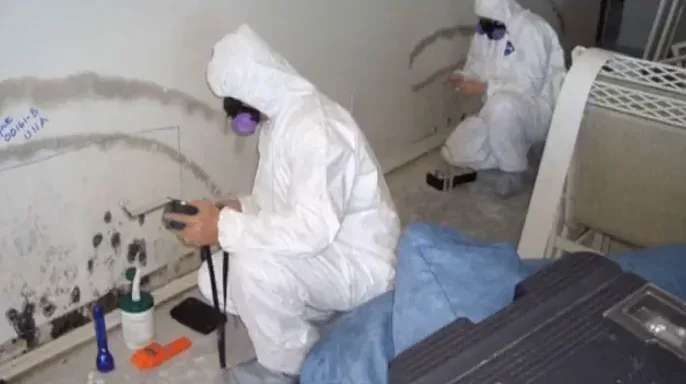
We come out the same day in most of our service area and map every wet spot, not just the one you can see. Pin and pinless moisture meters, a hygrometer and a thermal imaging camera show us moisture behind drywall, under carpet and in framing without tearing anything out. Then we trace it back to the source: a failed sump, a seeping block wall, a roof leak after hail, a bathroom fan venting into the attic.
Why it matters: Mold follows water. If we only treat the stain you pointed at, the wet area next to it grows next month.
Step 3: Written Scope and Estimate
Before any work starts, you get a written plan with photos: which areas and materials come out, how the space will be contained, how it will be dried and verified, how long it should take, what it costs and what isn’t included. You read it, ask questions and decide. Nothing is torn out on a handshake.
Why it matters: A written scope protects you from surprise add-ons and gives your insurer something concrete to review.
Step 4: Containment and Negative Air
We seal the work area with plastic sheeting, add a zipper door for access and run HEPA air scrubbers that exhaust outside, so the containment stays under negative pressure. Air flows into the work area, not out of it, which keeps spores from drifting into bedrooms and living space. The HVAC system is shut off or its vents are sealed so the ducts don’t carry spores through the house.
Why it matters: Tearing out moldy drywall without containment can spread spores to rooms that were clean before the job started.
Step 5: Removal of Damaged Materials
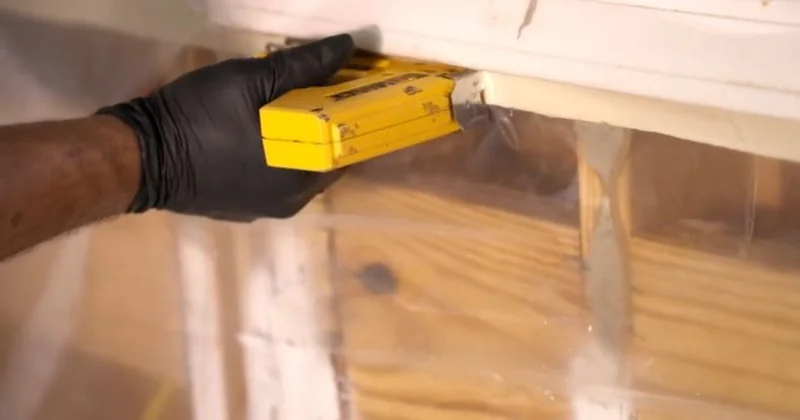
Porous materials with mold growing in them can’t be reliably cleaned, so they come out: drywall (often the bottom 2 to 4 feet in a basement, higher if the moisture went higher), carpet pad, insulation, ceiling tile and cardboard storage. Everything is bagged inside the containment before it’s carried out of the house. Solid wood and concrete usually stay and get cleaned in the next step.
Why it matters: Mold grows into drywall paper and insulation. Spraying the surface leaves the growth inside the wall.
Step 6: HEPA Vacuuming and Cleaning
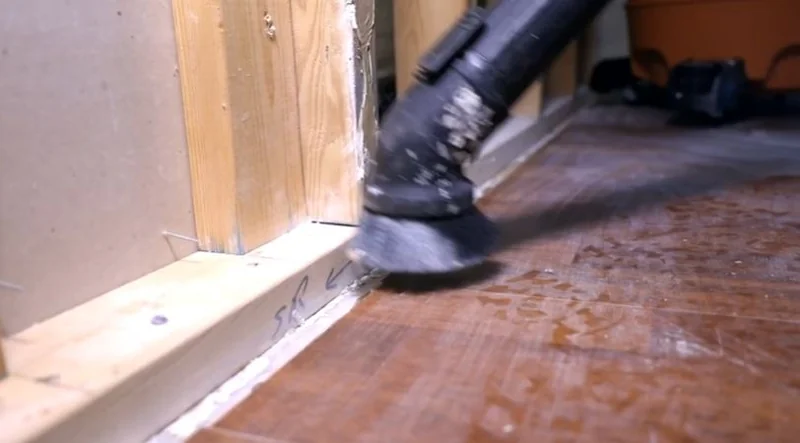
Framing, subfloor, concrete and other solid surfaces are HEPA-vacuumed and damp-wiped. HEPA filters are rated to capture 99.97% of particles 0.3 microns in size, which is why regular shop vacs aren’t used. Heavily affected wood may be wire-brushed or sanded, and large attic jobs may be dry-ice or soda blasted. The EPA doesn’t recommend bleach or other biocides as a routine part of mold cleanup, so physical removal does the real work here.
Why it matters: Dead mold spores and fragments can still irritate sensitive people, so they have to be removed, not just killed.
Step 7: Drying
Dehumidifiers and air movers bring wood and concrete back to normal moisture levels. We compare readings against unaffected materials in the same home and check them before anything is closed up. In a Sioux County basement in August that means fighting corn-sweat humidity with the space closed up; in January it means keeping the work area warm enough for the dehumidifiers to do their job.
Why it matters: New drywall hung over wet studs is how mold comes back, and it’s one of the most common problems we see after the June 2024 flood.
Step 8: Verification and Photo Report
We do a final visual check, take closing moisture readings and give you dated before-and-after photos. The goal under S520 is to bring the area back to normal background conditions. If you want lab clearance testing, we recommend an independent tester, so the company that did the work isn’t the one grading it. How post-remediation verification works.
Why it matters: Documentation is what your insurer, a future buyer or your landlord will ask for. Under Iowa Code 558A, sellers have to disclose known problems.
Step 9: Fix the Source and Rebuild
The leak, drainage, ventilation or humidity problem gets fixed, then walls and floors go back in. Depending on the cause, that’s a properly sized dehumidifier, a crawl space vapor barrier, a bathroom fan rerouted outdoors, a sump battery backup or better grading. If part of the fix needs a plumber, roofer or waterproofing contractor, we’ll tell you plainly.
Why it matters: Remediation without a moisture fix doesn’t last. Skip this step and you pay for the same job twice.
Quick answer: How long does mold remediation take?
A small, contained job is often done in a day or two. A full basement with drying and clearance testing can take a week or more before rebuilding starts. Your written scope gives you the expected timeline for your home.
Water Damage Restoration
Our Water Damage Restoration Process, From Extraction to Repair
Sump failures, burst pipes in January, storm flooding and sewer backups all start the same way: water where it shouldn’t be and 24 to 48 hours before mold can become part of the problem.
Call Us and Stay Safe
Call the moment you find water. We’ll walk you through the safe things to do while we’re on the way: stay out of water near outlets, the furnace or the electrical panel, shut the main valve for a burst pipe, and check that the sump has power. Take photos and video before you move anything, because your adjuster will ask for them.
Stop the Water and Assess the Damage
On site, we confirm the source is stopped, check for electrical and structural hazards, and map how far the water traveled. We classify the water by IICRC S500 category, because that decides what can be saved and what has to go, and we note how much water soaked into the structure, which decides how the drying is set up.
Water Extraction
Standing water comes out first with extraction equipment, because every gallon removed now is a gallon the dehumidifiers don’t have to pull out of the air later. For a deeply flooded basement, Iowa State University Extension warns against pumping out more than about 2 feet of water at a time, because saturated soil can push basement walls in.
Remove What Can’t Be Saved
Wet drywall, insulation and carpet pad that can’t dry in place are removed. After sewage or floodwater, everything porous it touched has to go. Iowa’s flood cleanup rule is simple: if in doubt, throw it out.
Structural Drying and Daily Monitoring
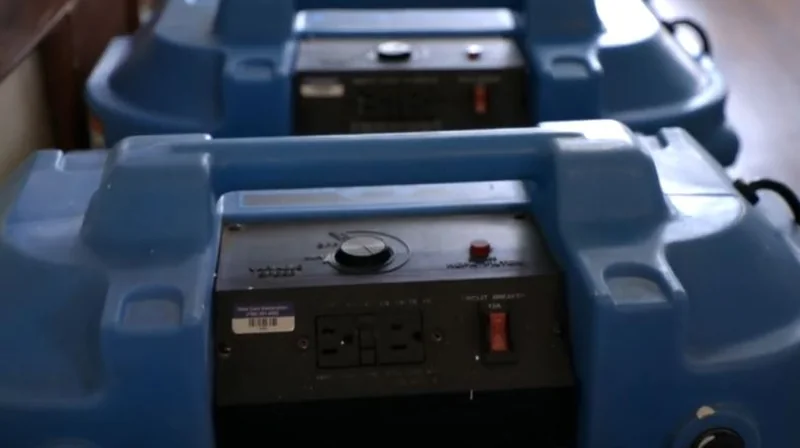
Dehumidifiers and air movers are placed to dry framing, subfloor and concrete, and we check moisture readings as the drying progresses until materials match unaffected areas of the house. Drying often takes a few days, depending on the materials, how long they were wet and the weather outside.
Clean, Sanitize and Prevent Mold
Once materials are dry, affected surfaces are cleaned, and areas touched by sewage or floodwater are cleaned and sanitized. This is where water damage restoration and mold prevention meet: dry, clean framing inside a closed wall doesn’t grow mold.
Repairs and Final Documentation
Walls, insulation and flooring go back in once the readings say it’s dry, not before. You get the moisture logs, dated photos and a written summary of what was removed and restored, ready for your insurance claim. Water damage restoration in Sioux Center.
What Is a Water Damage Category?
IICRC S500 sorts water by how contaminated it is. It’s the first thing we decide on a water job, because it controls what can be dried and kept.
| Category | What it means | Common Sioux County examples | What it means for your stuff |
|---|---|---|---|
| Category 1 | Clean water from a sanitary source | Burst supply line, frozen pipe break, water heater leak | Most materials can often be dried in place if we get there fast |
| Category 2 | Water with significant contamination | Washing machine or dishwasher overflow | Some porous materials may need to come out; cleaning is required |
| Category 3 | Grossly contaminated water | Sewer backup through a floor drain, river or surface floodwater like June 2024 | Porous materials it touched are removed; everything is cleaned and sanitized |
Clean water doesn’t stay clean. If it sits, it can degrade to a higher category, which is one more reason to call right away. S500 also sorts jobs into classes 1 to 4 by how much water soaked in and how hard it is to dry.
Quick answer: Is sump pump water clean water?
Not automatically. Groundwater that seeps in or overflows a sump pit is judged case by case, based on where it came from and what it picked up on the way. Water that backs up through a floor drain from the sewer is always treated as Category 3.
Why Every Step Matters
What Happens When a Mold Company Skips a Step?
Iowa doesn’t license mold remediation, so nobody checks whether these steps actually happen. Here’s what each shortcut costs you later.
Moisture source not fixed
The mold comes back, usually by the next wet spring or humid August, and you pay for the same job twice.
No containment
Spores stirred up during tear-out settle in rooms that were clean before the job started.
Spraying instead of removing
Growth stays inside the drywall and insulation. The stain may fade for a while; the mold doesn’t leave.
Walls closed before they’re dry
New drywall goes up over wet studs and mold grows where nobody can see it. We see this in basements rebuilt quickly after the 2024 flood.
HVAC left running
The furnace or AC blower pulls spores into the ducts and spreads them through the whole house.
No paperwork
Your insurer has nothing to review, a buyer’s inspector has no proof it was fixed, and you have no record for a future disclosure.
Side by Side
Our Process vs. a Spray-and-Go Mold Job
Both show up on a search for “mold removal near me.” Only one of them follows the industry standard of care.
| What matters | Siouxland Mold Solutions | Spray-and-go job |
|---|---|---|
| Starts with | Finding the moisture source with meters and thermal imaging | Spraying the stain you can see |
| Price | Written scope and price after someone has seen it | A number over the phone |
| Containment | Plastic containment under negative air with HEPA scrubbers | Often none |
| Moldy drywall and insulation | Cut out, bagged inside containment, removed | Sprayed, fogged or painted over |
| Drying | Checked with moisture readings before anything is closed | Assumed |
| Proof | Dated photos, readings and independent testing if you want it | The same company says it passed |
| The cause | Fixed, or you’re told plainly who needs to fix it | Left in place |
Local Conditions
Why Sioux County Weather Changes How We Run a Job
The steps don’t change, but how we run them does. Here’s how the seasons in Sioux Center, Orange City, Hull, Rock Valley and the rest of our service area shape the work.
Spring Snowmelt and Sump Season
Sioux Center averages about 34.8 inches of snow a year (NOAA). March and April bring saturated ground, sumps that run nonstop and block walls that seep, so spring jobs start with the sump and the foundation, not the drywall.
May–June Storms
June and May are the wettest months here (about 4.5 and 4.2 inches, NOAA). Power outages stop sumps and floor drains back up, which turns a clean-water job into a Category 3 job fast.
Corn Sweat Summers
Midsummer dew points in the 70s mean drying equipment has to run with the house closed up. Opening windows in August adds moisture instead of removing it.
Subzero Winters
With a record low of −37°F, January means burst pipes, ice dams and frost in attics. Attic jobs are timed around thaw cycles, and work areas are kept warm enough for dehumidifiers to work.
Rebuilt After the June 2024 Flood?
Rain from June 20 to 22, 2024 sent the Rock, Floyd and Big Sioux rivers to record levels (NWS Sioux Falls), and about 500 homes in Rock Valley alone were damaged (USGS). Many basements were rebuilt quickly. If wall cavities weren’t fully dried first, mold can be growing behind the new drywall. A moisture-mapping visit (step 2) answers that without tearing anything out. Mold inspection and testing.
Honest Advice
Do You Need the Full Process?
Not always. If the moldy area is smaller than about 10 square feet on a hard surface and the water problem is fixed, the EPA says it’s usually a DIY job. We’ll tell you that on the phone.
Call a professional when:
- The area is bigger than about 10 square feet
- The water was sewage or floodwater
- The mold is in your heating or cooling system
- Someone at home has asthma, allergies or a weakened immune system
- You smell mold but can’t find it
Before We Arrive
How to Prepare for Your Appointment
- Don’t scrub, scrape or bleach visible mold before we see it. It spreads spores and hides what we need to find.
- Turn off fans pointed at moldy areas, and don’t run the furnace or AC fan if the mold is near a return vent.
- Take photos and video of water damage before moving anything.
- Clear a path to the affected area and keep pets and kids out of it.
- Have your insurance policy number handy if you plan to file a claim.
- Tell us about anyone at home with asthma, allergies or other health concerns.
Timeline & Paperwork
How Long Does Each Step Take, and What Do You Get?
Typical ranges for Sioux County homes. Your written scope gives the timeline for your job.
| Step | Typical time | What you get |
|---|---|---|
| Phone triage | A few minutes | Clear next steps and safety advice |
| Inspection and moisture mapping | Same day in most of our area; usually an hour or two on site | Photos, moisture readings, likely source |
| Written scope and estimate | Before any work starts | What comes out, containment plan, price, timeline |
| Containment, removal and cleaning | Often a day or two for small jobs; longer for a full basement or attic | Sealed work area, damaged materials removed |
| Drying | Often a few days, depending on materials and weather | Readings back to normal before closing up |
| Verification and report | At the end of the job | Dated before-and-after photos and closing readings |
| Source fix and rebuild | Scheduled once everything is dry | Moisture problem corrected, walls and floors back in |
What You’ll Have in Hand When We’re Done
- The written scope you approved before work started
- Dated before-and-after photos of every affected area
- Moisture readings from the first visit and at the end of drying
- A summary of what was removed and what was cleaned or restored
- Notes on the moisture source and how it was fixed or who should fix it
That’s the paperwork your insurer, a home buyer or a landlord will want to see. Does insurance cover mold in Iowa?
Quick answer: How much does mold remediation cost in Sioux Center?
Most professional mold remediation jobs cost $1,200 to $3,750 based on 2026 national averages. Small, accessible basement spots can be $500 to $3,000, while a whole basement or attic can reach about $15,000. You get a written price for your home after we see it. Mold remediation cost in Sioux Center.
FAQ
Our Process: Frequently Asked Questions
Straight answers about how mold remediation and water damage restoration work in your home.
What are the steps of mold remediation?
Phone triage, same-day inspection and moisture mapping, a written scope and estimate, containment under negative air, removal of damaged materials, HEPA vacuuming and cleaning, drying, verification with a photo report, and fixing the moisture source before rebuilding. It follows ANSI/IICRC S520.
What are the steps of water damage restoration?
Stop the water and make the area safe, assess and categorize the water, extract standing water, remove materials that can’t be saved, dry the structure while monitoring moisture readings, clean and sanitize, then repair and document. It follows IICRC S500.
Can we stay home during mold remediation?
Usually, yes. The work area is sealed and kept under negative air pressure, so the rest of the house stays usable. For large jobs, sewage cleanup, or if someone at home has asthma or a weakened immune system, staying elsewhere can be the better call.
Do you spray or fog for mold?
Not as a fix. The EPA doesn’t recommend biocides as a routine part of mold cleanup, and fogging doesn’t remove growth from inside drywall or insulation. We physically remove damaged materials and HEPA-clean what stays.
How do you know the mold is gone?
We do a final visual check, take closing moisture readings and give you dated before-and-after photos. If you want lab clearance testing, we recommend an independent tester so the result carries weight with you, your insurer or a buyer.
Will mold come back after remediation?
Not if the moisture source is fixed. Mold comes back when a leak, drainage problem or humidity issue is left in place, or when a company sprays the surface instead of removing damaged material. That’s why step 9 exists.
How fast do you respond to water damage?
Calls are answered 24/7 and we offer same-day response across Sioux Center and our service area. Call (712) 569-1887 and we’ll talk you through what to do while we’re on the way.
Do I need to be home for every step?
You’ll want to be there for the inspection and to review the written scope. After that, many homeowners give us access and check in by phone, and we send photos as the work progresses.
Who are you and where are you based?
Siouxland Mold Solutions is a mold removal, mold remediation and water damage restoration company at 529 4th St NW, Sioux Center, IA 51250, serving Sioux, Lyon, Plymouth, O’Brien and Osceola counties. About Siouxland Mold Solutions.
Start With Step One
Ready to Start? Step One Is a Phone Call
Tell us what you’re seeing and where. We’ll tell you whether it needs a visit, what’s likely causing it and what it usually costs, including when you can handle it yourself. If it’s water, we’ll tell you what to do right now while we’re on the way.
Siouxland Mold Solutions
- Office529 4th St NW, Sioux Center, IA 51250
- Phone(712) 569-1887
- EmailContact@moldremovalsiouxcenter.com
- HoursCall anytime, 24/7, including emergencies
- ResponseSame-day across Sioux Center and our service area