

Signs of Mold · Sioux Center, IA
Signs of Mold in Your Home: What to Look For in Sioux Center, IA
Mold shows up as a smell, a stain, a patch of fuzz or a room that never feels dry. Siouxland Mold Solutions walks Sioux Center homeowners through the signs, tells them what each one probably means and finds the moisture behind it. Same-day response, calls answered 24/7.
Some signs are obvious and some only show up as a smell or a stain that keeps coming back. Here is the full list, in the order we check them.
The Short Version
What Are the Signs of Mold in a House?
The main signs of mold are visible spots or fuzz, a musty or earthy smell, and signs of moisture such as stains, bubbling paint, condensation, warped materials and high humidity. Health symptoms can accompany it but are not a reliable sign by themselves. When the smell is strong and nothing is visible, mold is often hiding behind a wall, under flooring or in the HVAC system.
The CDC lists the most common indoor molds as Cladosporium, Penicillium and Aspergillus, and notes you don’t need to identify the type to clean it up. What matters is finding it early and finding the water. Mold that has been growing for a while spreads into drywall, insulation and framing, and that is where it gets expensive.
The next sections go through what mold looks like, what it smells like, the moisture clues that come before it, and the hidden places we find it in Sioux County homes. If you want to know what the types are, see common indoor molds.
Quick answer: What does mold look like?
It varies. Black, green, gray, white, brown or orange; fuzzy, powdery, slimy or just a stain. Color alone doesn’t tell you the type or how risky it is. Look at where it is and whether the surface is damp or has been.
What You Can See
What Does Mold Look Like on Walls, Ceilings and Wood?
Eight looks, and what each usually means. None of them is a diagnosis, but each tells you where to dig.
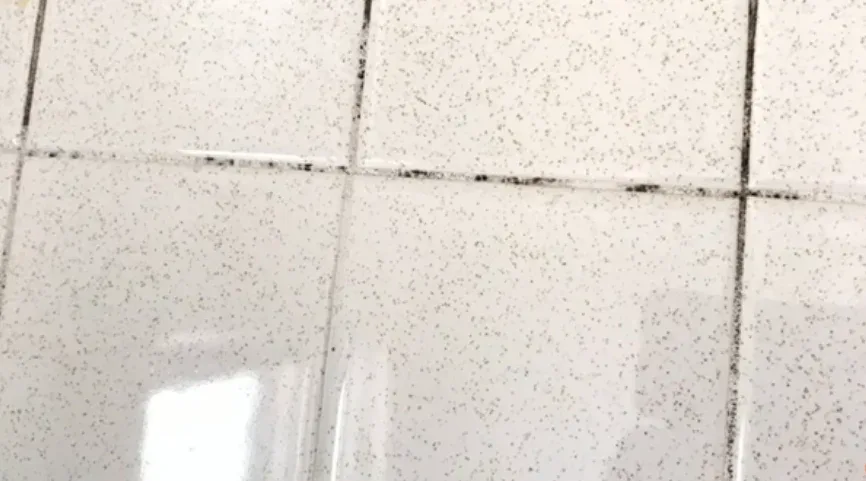
Black or Dark Spots
Scattered spots on ceilings, grout, caulk and window frames. Very common where there is steam or condensation.
Fuzzy Patches
White, gray or green fuzz on wood, cardboard and fabric. Usually active growth on something damp.
Powdery Dust
Dry, powdery mold on stored items or framing. It looks inactive, but spores release when disturbed.
Slimy or Wet-Looking Growth
Needs constant moisture. Often on materials that have been wet for a long time.
Stains and Discoloration
Yellow, brown or gray stains on drywall or ceiling, with or without visible growth. A stain means water got there.
Dark Staining on Attic Sheathing
Dark patches on the underside of roof boards, often along nails, from winter frost cycles.
Bubbling or Peeling Paint
Moisture behind the paint pushing it off. Mold can be growing on the back.
Warped or Soft Materials
Cupped baseboards, swollen cabinet bottoms and soft drywall mean long-term moisture.
Quick answer: Is white fuzz always mold?
No. White crystals or powder on masonry can be efflorescence, a mineral salt, not mold. A drop of water dissolves efflorescence; mold stays. See white fuzz or efflorescence.
Mold or Something Else?
How Can You Tell Mold From Dirt, Soot, Stains or Efflorescence?
Not every dark or white mark is mold. These quick checks help you sort out what you’re looking at before you spend money.
| It might be | What it looks like | A quick check |
|---|---|---|
| Mold | Spots, fuzz or slime, often in patches, on or near damp materials | Musty smell, and the area is or was damp; it often smears or leaves a stain when wiped |
| Dirt or dust | Even gray film, often along edges, vents or where air flows | Wipes off with a dry or damp cloth and leaves the surface clean |
| Soot or smoke residue | Black film near candles, fireplaces or furnaces | Smears; often follows an air path or a source of burning |
| Efflorescence | White crystals or powder on concrete, block or brick | Dissolves in a drop of water and has no musty smell |
| Water stain | Yellow, brown or tan ring with no growth | Means water got there; check whether it’s still wet |
| Pink film in a shower or pet bowl | Slimy pink ring | Often a red yeast (Rhodotorula), not mold, but it still means moisture |
Efflorescence and the pink-film yeast are covered in more detail in separate guides.
Quick answer: Can I tell mold from mildew by looking?
Not reliably. Mildew is a term people use for flat, often white or gray mold growth, and color alone isn’t a dependable guide to what it is. What matters is the same either way: find the water and clean or remove what’s affected.
What You Can Smell
What Does Mold Smell Like, and What If You Smell It but Can’t See It?
Smell is often the first sign, and sometimes the only one for weeks. Here is how to use it.
The Smell
People describe it as musty, earthy, like wet leaves, dirty socks or a damp basement. It’s the smell of something organic growing in a place that stays wet.
When the Smell Is Strong but Nothing Is Visible
The mold is behind something. Check under carpet and pad, behind baseboards, inside cabinets, in the attic and crawl space, and around ducts. The smell often gets stronger when the AC or furnace runs if the HVAC is involved.
Where the Smell Is Strongest
Follow your nose room by room and note where it gets stronger. A smell that’s strongest at one outside wall points to that wall. A smell that appears only when the AC starts points to the system.
What a Smell Doesn’t Tell You
It can’t tell you the type of mold or whether anyone will have symptoms. It tells you to look for water. For a smell-first checklist see musty smell in the house.
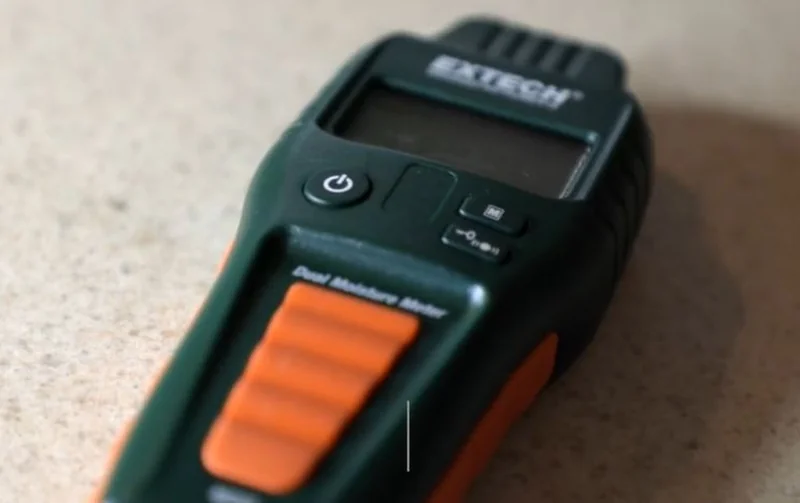
Moisture Clues
Which Moisture Signs Come Before Mold, and What Do They Mean?
By the time you see mold, the moisture has been there a while. These earlier signs buy you time.
| Sign | What it usually means | What to do |
|---|---|---|
| Condensation on windows | Indoor humidity is high for the outdoor temperature | Lower humidity, run fans, wipe and dry hard surfaces |
| Water stain on ceiling or wall | Past or present leak from above, behind or inside | Trace it; check if it’s wet or soft today |
| Bubbling, peeling or cracking paint | Moisture behind the finish | Find the source before repainting |
| White crust on a basement wall | Water moving through masonry (efflorescence) | Fix drainage; see whether the wall is damp |
| Rust on nails, tool chests or water heater | High humidity or drip | Check humidity and the source of the drip |
| Cupped baseboards or swollen cabinet bottoms | Long-term moisture in wood or particleboard | Moisture-check the area |
| Humidity reading above 60% | Conditions that favor growth (EPA) | Dehumidify and find the source |
Humidity guidance from the EPA: keep indoor relative humidity below 60%, ideally 30–50%.
Your Body
Can Symptoms Tell You That You Have Mold?
Not reliably. Symptoms are a reason to look, not proof of mold, and they should be discussed with your doctor.
What the CDC Lists
Stuffy nose, sore throat, cough or wheeze, burning eyes and skin rash. Some people react and some don’t, and many people have no reaction at all.
Who Should Be Careful
People with asthma, mold allergies, a weakened immune system or chronic lung disease can react more strongly. Infections are possible in immune-compromised people.
What Symptoms Can’t Tell You
They can’t identify mold as the cause. Colds, allergies and other conditions look the same. Your doctor can sort that out.
More on this: mold exposure symptoms. If symptoms are severe, such as trouble breathing, get medical help first.
15-Minute Check
How Do You Check Your House for Mold in 15 Minutes?
A quick walkthrough catches most problems. Take your phone, a flashlight and a hygrometer if you have one.

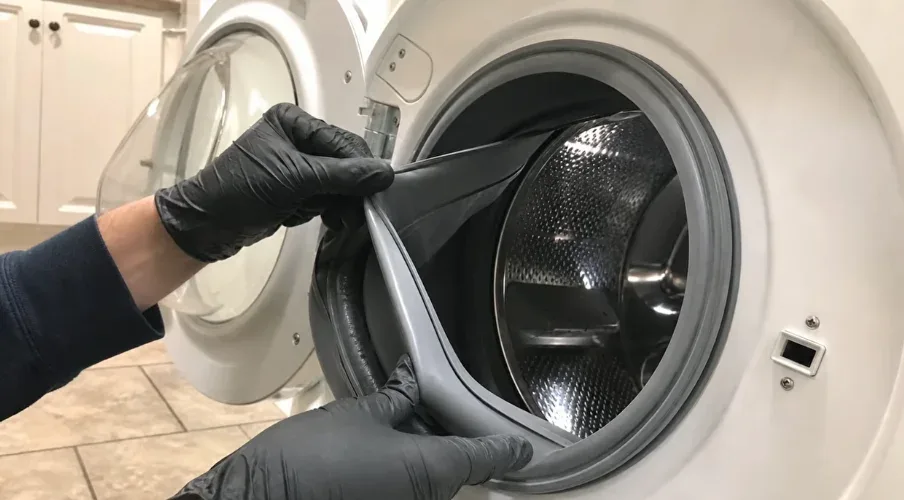
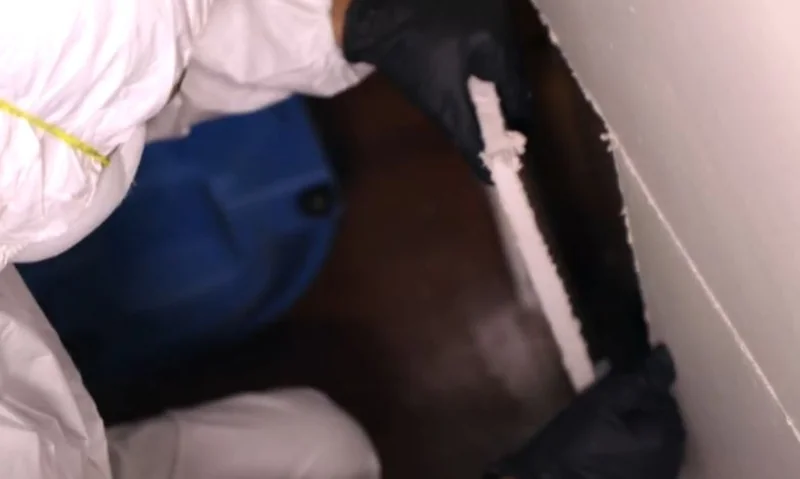
Start Where It’s Wettest
Under sinks, behind toilets, around the water heater and the washing machine. Look for stains, drips and soft spots.
Why it matters: Most leaks are small and slow.
Do the Bathrooms
Grout, caulk, ceiling corners and the fan cover. Peel a corner of loose caulk.
Why it matters: Bathrooms are where steam and mold meet.
Go Down to the Basement
Walls, floor edges, the sump pit and stored boxes. Check humidity.
Why it matters: Basements hold most of the moisture.
Look Up in the Attic
Sheathing, nails and insulation. In winter, frost; in spring, dark stains and wet insulation.
Why it matters: Attic problems start in cold weather.
Check the Windows and Closets
Condensation on the sills, and the backs of closets on exterior walls.
Why it matters: Cold surfaces collect moisture first.
Write It Down
Photos, dates and what the smell is like. Call if you find more than a small spot, if it’s in drywall or insulation, or if you smell it and can’t find it.
Why it matters: Notes help us find the source faster.
By Season
Which Signs Show Up When in Sioux Center?
Mold follows the calendar here. This is what we see and when.
Spring
Musty basements, damp walls, sump trouble and stains on ceilings after snowmelt and heavy rain.
Summer
Sweating basements and crawl spaces, musty closets and AC coils with growth in the humidity of corn sweat.
Fall
Leaks revealed by the first heating season, and mold on window frames when the house closes up.
Winter
Frost in the attic, wet window sills, and condensation on cold exterior walls.
Smelled it? Seen it? Not sure? Call and tell us what you found. We’ll tell you what it likely is and what to do.
FAQ
Signs of Mold: Frequently Asked Questions
Straight answers to what Sioux Center homeowners ask us first.
What is the first sign of mold in a house?
Usually a musty smell or a stain. Visible growth tends to come later. A humidity reading above 60% and condensation on windows are earlier warnings.
Can you have mold without a smell?
Yes. Some growth has little odor, especially small areas or dry, dormant mold. Don’t rely on smell alone.
Does black mold always mean it’s dangerous?
No. Color doesn’t tell you the type, and the CDC says all indoor mold should be removed the same way. See is black mold dangerous.
How long does it take mold to show up?
Growth can start within 24 to 48 hours on wet porous materials (EPA), but it may take days to weeks to become visible.
Can mold grow on a ceiling?
Yes, when moisture reaches it from a roof leak, plumbing above or steam. Dark spots, stains and bubbling paint are the signs.
Is mold always dangerous?
Mold can irritate and trigger allergies and asthma, and it can cause infections in some immune-compromised people. It should be removed, but the risk varies a lot by person.
Do you handle mold checks outside Sioux Center?
Yes. Same-day response in Sioux Center (51250), Orange City (51041), Hull (51239), Rock Valley (51247), Sheldon (51201), Le Mars (51031) and the towns around them. Call anytime, 24/7, and we’ll tell you honestly when we can be there.
Will insurance cover it?
Often only when the damage came from a sudden, covered event like a burst pipe or storm damage. Long-term seepage, humidity and flooding are usually excluded, and sump or sewer backup needs a water-backup endorsement. We give you dated photos, moisture readings and a written scope for your adjuster either way.
Get Help Today
Found a Sign of Mold? Call Us Today
Tell us what you found and where. We’ll set up a same-day inspection in Sioux Center or nearby, give you written findings and tell you honestly what it needs.
Siouxland Mold Solutions
- Office529 4th St NW, Sioux Center, IA 51250
- Phone(712) 569-1887
- EmailContact@moldremovalsiouxcenter.com
- HoursCall anytime, 24/7, including emergencies
- ResponseSame-day across Sioux Center and our service area